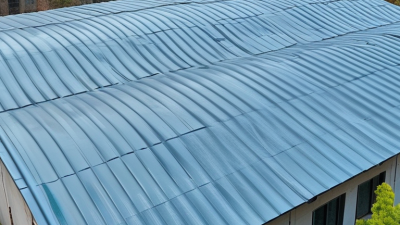
When you're thinking about the best solutions for your construction projects, roof cladding panels really do make a big difference. I mean, they’re not just about looks—they play a crucial role in how long your building will last. John Mitchell, who's a pretty well-known expert at Skyline Building Solutions, puts it simply: "Picking the right roof cladding can actually determine how durable your structure ends up being." Honestly, that really hits home because it shows just how important these materials are—not just for the aesthetic appeal but also for the durability and performance of the building.
Looking ahead to 2026, technology and design have come a long way. There are now so many options out there that offer better insulation and weather resistance, which is obviously a huge plus. But here’s the thing: with so many choices, it can get pretty overwhelming. It’s really important to weigh the pros and cons of each option—just focusing on price, for example, might end up being a bad idea.
You’ve got to consider things like how the panels look, what kind of maintenance they’ll need, and even the climate where your building is located. When we’re talking about the best roof cladding panels for 2026, taking a step back and looking at the whole picture—what’s really worth it, what might cause headaches later—is key for any construction project worth its salt.
Overview of Roof Cladding Panels and Their Importance
Roof cladding panels serve a crucial role in modern construction. They not only provide aesthetic appeal but also protect buildings from weather elements. Proper selection of materials can enhance durability and energy efficiency. Among various options, Plastic Roof Cladding has gained popularity for its lightweight and weather-resistant properties. This makes it suitable for various climates.
Choosing the right roof cladding panel requires careful consideration. The material’s lifespan, insulation capabilities, and maintenance needs are vital. For instance, while some panels offer excellent durability, they may require more upkeep. Understanding the trade-offs involved can lead to more informed decisions. It's essential to evaluate the specific needs of each project. Balancing cost against long-term benefits often reveals unexpected insights.
Design trends also influence roof cladding choices. Architects are increasingly looking for materials that combine functionality with unique designs. Plastic roof cladding, with its versatility in colors and textures, allows for creative applications. However, potential buyers should remain cautious. Not all products offer the same level of quality. Researching options and consulting experts will lead to better outcomes.
2026 Best Roof Cladding Panels for Your Construction Needs
| Material |
Durability (Years) |
Thickness (mm) |
Weight (kg/m²) |
Cost per m² ($) |
Fire Rating |
| Metal |
40 |
0.5 |
5 |
30 |
A |
| Vinyl |
20 |
1.2 |
3 |
15 |
B |
| Wood |
30 |
25 |
10 |
40 |
C |
| Concrete |
50 |
15 |
8 |
50 |
A |
| Slate |
75 |
5 |
25 |
100 |
A |
Types of Roof Cladding Materials: Pros and Cons
When it comes to roof cladding materials, each type has distinct advantages and drawbacks. Understanding these can guide your construction choices.
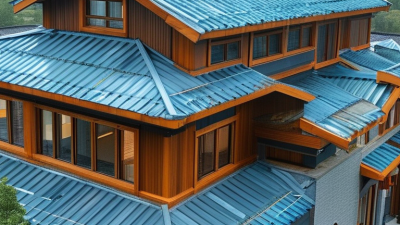
Metal roofing is durable and low-maintenance but can be noisy during rainfall. It also reflects sunlight, making it energy efficient. However, it may require additional insulation to prevent heat loss in winter.
On the other hand, asphalt shingles are popular due to their affordability. They come in various colors and styles. However, they have a shorter lifespan than metal options, and they can deteriorate more quickly in extreme weather. Consider also the
PVC Interior Wall Cladding System. While it's often seen for walls, this water-resistant material can be used on roofs in some cases. It offers excellent insulation but is less traditional.
Wood shake roofs add a rustic charm. They are biodegradable and have natural insulating properties. Yet, maintenance is essential to prevent rot and insect damage.
Despite their beauty, they may not be the best choice in wet climates. Making an informed decision involves weighing these pros and cons against your specific construction needs.
Key Factors to Consider When Choosing Roof Cladding
When selecting roof cladding, consider several key factors. Durability is paramount. According to a report by the Roofing Industry Alliance, roofs with a lifespan of over 30 years significantly reduce replacement costs. Materials such as metal and certain composites stand up well against severe weather. They resist rust, corrosion, and fading, ensuring long-term performance.
Next, you need to think about insulation properties. The right roof cladding can improve energy efficiency by up to 25%. Proper insulation not only reduces energy bills but also enhances indoor comfort. Many modern cladding options, including a
PVC Wall Cladding System, offer excellent thermal resistance. This feature is particularly vital in homes located in areas with extreme temperatures.
Aesthetic appeal also matters. The cladding should complement the building's overall design. Research from the National Association of Home Builders shows that homes with visually appealing roofs tend to sell faster. Thus, investing time in color and material selection pays off. While some choices may look attractive, they might not perform well. Always evaluate the long-term implications of your selections.
Top 2026 Roof Cladding Panel Brands and Their Features
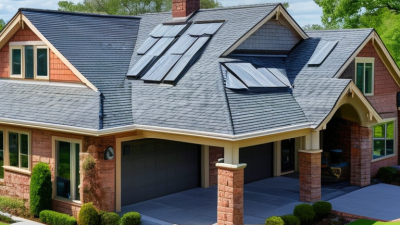
When choosing roof cladding panels, several brands stand out in 2026. Metal panels are popular for their durability and sleek appearance. They often come in various finishes and colors, making them suitable for different architectural styles. Many homeowners appreciate their resistance to weather extremes. Yet, installation can be tricky and often depends on professional help.
Another strong option is vinyl cladding. It's lightweight and easy to manipulate, which can speed up installation. Plus, it's resistant to rot and pests. However, it may not have the longevity of metal panels. Some users report fading with time, which requires maintenance.
Wooden cladding panels offer a natural look that can enhance aesthetics. They provide good insulation but require regular maintenance. A misstep in care can lead to costly repairs. While they have undeniable charm, many find the upkeep daunting. Overall, each cladding option has its pros and cons, reflecting different user needs and preferences.
Sustainability and Energy Efficiency in Roof Cladding Options
Sustainability in roof cladding panels is becoming increasingly critical. The construction industry is shifting focus to materials that not only protect buildings but also reduce environmental impact. According to the World Green Building Council, buildings account for 36% of global energy use. Selecting energy-efficient roof cladding can significantly lower this statistic.
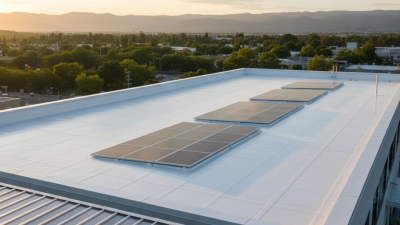
The use of reflective roofing materials can reduce heat absorption. This results in lower cooling costs, as buildings require less energy to maintain comfortable temperatures. A report from the U.S. Department of Energy indicates that reflective roofs can lower energy use by up to 20%. This is essential in warmer climates, where the demand for cooling is high.
Furthermore, sustainable materials are gaining traction. Options such as metal and recycled products help minimize waste. The life cycle of these materials is often longer, meaning fewer replacements over time. However, the upfront cost can be a barrier. It is crucial for builders to weigh immediate costs against long-term energy savings and environmental benefits. Addressing these challenges can lead to more sustainable building practices.
Installation and Maintenance Tips for Roof Cladding Panels
When installing roof cladding panels, it's essential to pay attention to the details. Proper installation ensures durability and longevity. Begin with a clean, dry surface. Remove any debris or old materials. Use the correct fasteners to secure the panels. This helps create a strong bond and reduces the risk of leaks.
Regular maintenance is crucial for roof cladding panels. Inspect them periodically for any signs of wear or damage. Look for rust, loose fittings, or cracks. Early detection can save time and money in repairs. Applying a protective coating can enhance the panels’ lifespan. Keep gutters clear to prevent water damage.
Consider the environmental conditions in your area. Heavy rain, snow, or extreme heat can affect the panels' performance. You might need to adjust your maintenance schedule based on these factors. Remember, a well-maintained roof contributes to overall building health. Reflect on your approach and prioritize the most vulnerable areas. Focusing on the specifics can lead to better outcomes with your roof cladding panels.
Cost Analysis: Budgeting for Roof Cladding in Construction Projects
When budgeting for roof cladding in construction projects, cost is a significant factor. According to the latest industry reports, the average cost for roof cladding can range from $1.50 to $10 per square foot, depending on the material selected. For instance, metal panels are typically on the higher end at around $6 per square foot. In contrast, asphalt shingles might only cost about $1.50 to $3.00 per square foot. These variations highlight the importance of material selection in budget planning.
Understanding the total cost can be complex. Labor expenses often account for a significant portion of the budget. Estimates suggest that labor can add 50% to 100% to the material costs, depending on local wages and project size. Furthermore, maintenance costs should be considered. Some materials require more upkeep than others, impacting long-term budgeting. For example, while wood may have lower initial costs, it often incurs higher maintenance expenses due to weathering.
Identifying the right balance between cost and durability is crucial. Reports indicate that over 70% of construction professionals prioritize long-term performance over initial cost. However, many still get swayed by upfront pricing, risking future financial strain. Evaluating the lifetime costs associated with roof cladding materials will provide a clearer picture and aid in making more informed decisions.
2026 Best Roof Cladding Panels - Cost Analysis
FAQS
: Roof cladding panels provide aesthetic appeal and protect against weather elements. They are essential for building durability.
Consider lifespan, insulation, and maintenance needs. Each project's specific requirements will influence your decision.
Ensure a clean surface before installation. Use appropriate fasteners to secure panels tightly and reduce leak risks.
Regular inspection for wear is necessary. Early detection of issues can save time and repair costs in the long run.
Factors include material type, labor costs, and maintenance expenses. These can significantly impact overall project budgeting.
Focusing on long-term durability may reduce future expenses. It's important to avoid pitfalls from choosing solely based on upfront prices.
Heavy rain, snow, or heat affects panel performance. Adjust your maintenance routine based on local weather conditions.
Prices can range from $1.50 to $10 per square foot. Material selection strongly influences this cost variation.
Apply protective coatings and keep gutters clear. Prioritize maintenance of vulnerable areas for better performance.
Research different products and consult experts. Not all materials offer the same quality, so be cautious in your choices.
Conclusion
Roof cladding panels play a crucial role in construction by providing protection against the elements and enhancing the aesthetic appeal of buildings. With various materials available, each type of roof cladding has its own advantages and disadvantages that should be carefully considered. Key factors such as durability, insulation, and maintenance requirements are essential to evaluate when selecting the right roof cladding for a project.
In 2026, several top brands stand out for their innovative features, promoting sustainability and energy efficiency in their roofing solutions. Proper installation and ongoing maintenance are also vital for maximizing the lifespan and performance of roof cladding panels. Budgeting effectively for these materials is essential in construction projects, ensuring that both quality and cost are balanced for optimal results. Overall, understanding the diverse options and considerations surrounding roof cladding panels is key to making informed decisions in any construction endeavor.