Leave Your Message
0%

So, choosing Corrugated Plastic Roofing Sheets in 2026? It’s not just about price tags and what color looks good on the surface. The right sheet has to line up with your roof’s slope, the local weather, how it’s supported, and how long you expect it to last. Polycarbonate, PVC, and polypropylene sheets can look pretty similar at first glance. But under strong sun, hail, heavy rain, and temperature swings? Their performance can be very different.

This guide comes from practical roofing stuff contractors, building suppliers, and maintenance teams actually deal with. We’ll look at thickness, profile depth, UV protection, transparency, impact resistance, fixing methods, and thermal movement. Measurements really do matter. A sheet that feels solid in a showroom might flex on a wide roof span. And a cheaper option may need replacing sooner, especially in exposed coastal spots or high-heat areas. So check the manufacturer’s technical data before you order.

No sheet is perfect. That’s just how it is.

Good suppliers should give you installation instructions, warranty terms, test info, and clear material specs. Companies like Northline Building Materials can help buyers compare products, but you still want to verify things independently. Ask if the warranty actually covers color fading, cracking, and weather exposure. Those details get overlooked a lot. I’ve also seen installers focus on how panels look while missing washer placement or expansion gaps. That kind of mistake can lead to leaks down the road.

A careful decision balances purchase cost, installation effort, maintenance needs, and long-term roof performance. The best choice isn’t always the thickest or the most expensive one. It’s the sheet that fits the building, the climate, and the installation conditions. Recheck every assumption. A practical roof starts with accurate information.
2026 How to Choose Corrugated Plastic Roofing Sheets?

What Are Corrugated Plastic Roofing Sheets?

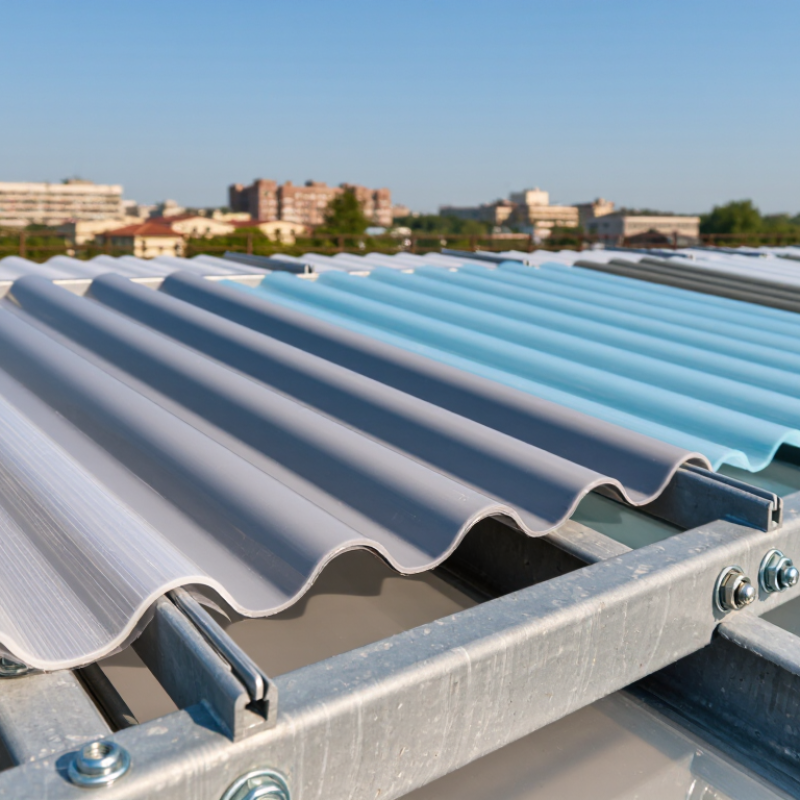
Plastic Corrugated Sheets are lightweight roofing panels made from molded plastic with repeating ridges and grooves. These corrugations increase stiffness without adding much material. The air channels also help water drain toward the roof edge.

Common materials include polycarbonate, PVC, and polypropylene. Each behaves differently under sunlight, impact, temperature changes, and fire requirements. Polycarbonate usually offers strong impact resistance, while PVC can be economical for simple utility roofing. Polypropylene is often chosen for temporary structures or protective covers. Always check the product’s technical data before installation.

They are used for patios, sheds, workshops, agricultural shelters, and walkway covers. Clear sheets admit daylight, but tinted panels reduce glare and heat. A practical detail matters here: roof purlins must support the sheet at the spacing recommended by the manufacturer. If the spacing is too wide, the panels may flex, vibrate, or collect water. Fasteners should include suitable washers, and holes may need slight clearance for thermal movement.

The surface is not maintenance-free. Dust, leaves, and algae can reduce light transmission and hide damage. Clean gently with mild soap and soft water. Avoid harsh solvents. I have found that appearance can mislead; a sheet may look strong but still crack around an overtightened screw. Selection should consider local weather, roof slope, expected service life, and required light levels, not price alone.

Which Roofing Requirements Should You Define First?

Before choosing a corrugated plastic roofing sheet, define the roof’s actual requirements. Start with climate, roof slope, panel size, and expected service life. Heavy rain needs reliable overlap and carefully sealed fasteners. Strong sunlight requires suitable UV resistance. Snowy areas need adequate load support and closer fixing points. Do not treat these details as minor.

Measure the roof length, rafter spacing, and drainage direction. A Pvc Corrugated Plastic Roofing Sheet may suit a shed, patio, or temporary structure, but it may not fit every building. Check local construction requirements before ordering materials. Consider temperature changes too. Plastic panels expand and contract, so installation holes should allow controlled movement. The wrong screw position can create cracks around the fixing.

Think about light transmission, noise, impact resistance, and maintenance access. Clear panels brighten a work area, while opaque sheets reduce glare and heat. On practical installations, small alignment errors often become visible after several panels are fitted. I would not rely on appearance alone. Ask for technical data covering thickness, weight, UV performance, and recommended span. A lower price can become expensive when panels warp or fasteners loosen. Leave room for cutting waste, but avoid excessive overlap that reduces usable coverage.

2026 How to Choose Corrugated Plastic Roofing Sheets? - Which Roofing Requirements Should You Define First?

Requirement to Define Typical Options or Target Values Why It Matters How to Verify Before Purchase
Roof use and exposure Patio, carport, shed, agricultural building, workshop, or temporary shelter The required strength, weather resistance, light transmission, and service life depend on the application. Record the building type, occupancy, local climate, and whether the roof is permanent or temporary.
Sheet material Polycarbonate for higher impact resistance and light transmission; PVC for economical, lightweight roofing applications Different plastics vary in impact resistance, temperature performance, chemical resistance, and expected durability. Request the resin type, technical data sheet, and written confirmation of outdoor suitability.
Profile and sheet geometry Corrugated, box-profile, or trapezoidal sheets; common nominal thicknesses are approximately 0.8–2.0 mm, depending on the product The profile height and thickness affect stiffness, overlap, drainage, and support spacing. Check actual thickness, pitch, profile height, effective cover width, and available sheet lengths.
Design loads Consider snow, wind uplift, rainwater, maintenance access, and accidental impact; values must come from the applicable local building code Plastic sheets can deform or pull away from fasteners if the support layout and fixing pattern are not designed for the site loads. Obtain the project design loads and compare them with tested span, load, and fastener data.
Support spacing Often about 600–900 mm for lightweight corrugated plastic roofing, but the approved product span must control Closer purlins reduce deflection and improve resistance to wind and snow loads. Match purlin spacing to the manufacturer’s tested span tables rather than relying only on sheet thickness.
Minimum roof pitch Many corrugated sheet systems require approximately 5°–10° minimum slope; the product installation guide takes priority Adequate slope supports drainage and reduces the risk of standing water and leakage at overlaps. Measure the roof pitch and confirm the required end lap, side lap, and sealing method.
UV and weather resistance Choose sheets with an outdoor UV-resistant layer or UV-stabilized formulation for exposed roofs UV exposure can cause yellowing, embrittlement, loss of impact strength, and shortened service life. Check the UV protection location, outdoor exposure test data, warranty conditions, and installation orientation.
Light transmission Clear sheets can provide high daylight transmission; translucent or opaque sheets reduce glare and solar gain The selected transparency influences interior lighting, heat buildup, privacy, and glare. Request measured light-transmission data and select the color or finish according to the room’s use.
Temperature range and expansion Allow movement for outdoor temperature changes; plastic roofing generally expands more than metal roofing Insufficient clearance can cause buckling, stress around fasteners, cracking, or leakage. Check the thermal expansion coefficient, hole-size requirements, fastener washer details, and recommended installation temperature.
Fire performance Specify the fire classification required by the building code and occupancy; do not assume all plastic sheets have the same rating Fire behavior can affect permitted applications, setbacks, roof assemblies, and approval requirements. Request a valid fire-test report or classification for the complete sheet system.
Chemical and environmental exposure Identify contact with fertilizers, solvents, oils, cleaners, salt spray, animal waste, or industrial chemicals Some chemicals can cause stress cracking, surface damage, discoloration, or loss of strength. Use a chemical-resistance chart and test compatibility with sealants, coatings, and cleaning products.
Fastening and waterproofing Use corrosion-resistant roofing screws with compatible sealing washers; fasteners should be placed according to the profile instructions Correct fixings limit leakage, wind uplift, washer damage, and cracking around holes. Confirm screw type, washer material, fixing frequency, pre-drilling requirements, and overlap sealing details.
Expected service life and warranty Define the required design life and acceptable changes in color, transparency, impact strength, and appearance A low initial price may not provide the durability required for a permanent roof. Review warranty exclusions, geographic limitations, installation conditions, and maintenance obligations.
Installation and maintenance Plan cutting, lifting, access, cleaning, inspection, replacement, and safe maintenance procedures Improper walking, abrasive cleaning, or unsupported handling can damage lightweight plastic sheets. Prepare an installation method statement and confirm whether crawling boards, edge protection, and periodic inspections are required.
Important: Final sheet selection should be based on the applicable local building regulations, project design loads, tested product data, and the manufacturer’s installation instructions.

How Do You Compare Corrugated Plastic Sheet Materials?

Choosing a corrugated plastic roof starts with comparing the sheet material, not just its price. PVC sheets are lightweight, economical, and easy to cut around vents or roof edges. They suit small shelters, garden storage, and temporary structures. However, low-cost PVC may become brittle after long exposure to strong sunlight. That risk is easy to overlook.

Polycarbonate offers higher impact resistance and handles temperature changes better. It is useful where falling branches, hail, or frequent maintenance could damage weaker panels. Clear and opal finishes also control daylight differently. A Plastic Corrugated Glazed Roofing Sheet made from polycarbonate can brighten a workshop while reducing the need for daytime lighting. Yet, excessive transparency may increase indoor heat during summer.

Fiberglass-reinforced plastic provides stiffness and useful light transmission, especially in agricultural or industrial spaces. Its surface can weather unevenly, and older panels may lose clarity or develop fibers. Compare the actual UV protection, thickness, corrugation depth, fire classification, and fixing requirements. Do not judge strength by thickness alone. A deeper profile may span supports more effectively. Check the roof pitch and local weather loads before installation. One detail deserves more attention: thermal expansion. Sheets need correctly sized holes and suitable washers, or fasteners may crack the panel. I would also question very cheap “universal” sheets, because their published performance data may be incomplete.

2026 How to Choose Corrugated Plastic Roofing Sheets?

How Do You Compare Corrugated Plastic Sheet Materials?

The chart compares representative material density values commonly used for corrugated roofing sheets. Polypropylene is the lightest option, while PVC is heavier and generally more rigid. Polycarbonate offers a balanced combination of low weight and high impact resistance, making it a practical choice where daylight transmission and durability are important. Actual performance varies with sheet thickness, additives, profile design, UV protection, and installation conditions.

Density values are typical nominal values for unfilled materials: polypropylene ≈ 0.90 g/cm³, polycarbonate ≈ 1.20 g/cm³, and PVC ≈ 1.40 g/cm³. Always confirm the technical datasheet for the specific sheet specification.

How Do You Select the Right Sheet Profile and Thickness?

Choosing the right corrugated plastic roofing sheet starts with the roof’s working conditions, not appearance. Measure the roof pitch, support spacing, drainage direction, and exposed edge length. A deeper corrugation usually improves stiffness and water movement, especially on longer spans. However, the profile must match the roof’s purlins and fixing accessories. A sheet that looks strong may still flex between widely spaced supports.

Thickness should reflect weather exposure and expected loads. For a small patio, a lightweight sheet may perform well with close support spacing. For a workshop or agricultural building, consider a thicker sheet when wind, snow, or maintenance access is possible. Always check the supplier’s load tables and local building requirements. Thickness alone is not strength. Profile depth, material quality, support spacing, and correct fastening all matter. This is where many selections go wrong.

Tips: Sketch the roof before ordering. Mark support centers and calculate side and end overlaps. Choose a profile that drains water without creating awkward gaps at the ridge. Inspect the sheet in daylight; uneven thickness, brittle edges, or cloudy sections can signal poor manufacturing. Leave room for thermal movement, since plastic expands under a hot afternoon sun. Do not overtighten screws. It can crush the corrugation and cause leaks later. I have seen projects choose thicker sheets but ignore support spacing, which solved little. Recheck the design after measuring the actual frame, because site dimensions are rarely perfect.

How Do You Check Weather Resistance and Service Life?

When choosing corrugated plastic roofing sheets in 2026, check weather resistance beyond a glossy product sample. NOAA recorded 28 separate billion-dollar weather and climate disasters in the United States during 2023. Hail, wind, heat, and intense rain can test weak sheets quickly. Look for documented testing under ASTM G154 or ISO 4892-3 ultraviolet exposure procedures. These tests compare color change, cracking, and strength loss after artificial weathering. However, accelerated exposure is not a perfect forecast. Real roofs receive dirt, standing water, and uneven sunlight.

Service life depends on resin quality, sheet thickness, installation, and local climate. Polycarbonate and PVC sheets can behave differently in cold impact conditions and high heat. Ask for test results showing retained impact strength after UV exposure. Check whether the report identifies the tested thickness and color. A vague “long life” claim proves little. The WMO State of the Global Climate 2023 report also noted continuing global temperature extremes, making heat resistance more important than before. I would not judge durability from warranty length alone. A warranty may exclude hail, poor ventilation, or incorrect fixing.

Tips: Inspect the roof twice yearly. Look for brittle edges, fading, fastener cracks, and curled overlaps. Keep photographs and rainfall notes. Small flaws become expensive leaks. Leave room for thermal movement, and use compatible washers. A practical mistake is tightening fasteners too firmly. That can create stress around every hole. Ask an installer to review the roof after its first severe storm.

How Do You Calculate Sheet Quantity and Installation Needs?

When sizing Corrugated Plastic Roofing, measure each roof plane separately, not the building footprint. Record length, slope width, openings, and ridge geometry. Calculate net area as length multiplied by slope width. Then divide by each sheet’s effective coverage. Effective coverage subtracts side and end laps from advertised dimensions. Round every roof plane upward. Never round the whole roof only. A 1.05-metre sheet with a 50-millimetre side lap covers 1.00 metre before end-lap adjustments.

For a simple gable roof, quantity equals net area divided by effective sheet area, plus a 5–10% cutting allowance. Use closer to 10% around hips, valleys, skylights, and irregular penetrations. The U.S. Environmental Protection Agency reported about 600 million tons of construction and demolition debris in 2018. Waste control is more than a cost issue. It also improves responsible material planning. My own rule is to add sheets by roof plane, not after combining totals. That small distinction prevents awkward shortages.

Installation planning needs more than sheets. Count ridge caps, flashing, closure strips, sealant, and compatible fasteners. Fastener quantity equals fixing lines multiplied by purlins, then adjusted for edge zones and local code requirements. Confirm spacing with a structural designer; wind uplift can change the pattern. The NRCA Roofing Manual stresses substrate, drainage, and detailing, not merely panel coverage. Leave specified expansion clearance. Do not guess. I have seen neat calculations fail because installers forgot end laps on shallow roofs. Recheck every dimension on site before cutting.

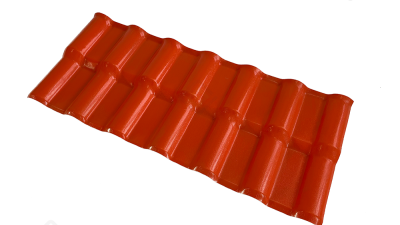
China ASA PVC Synthetic Spanish Barrel Roof Tiles: Insights from Grand View Research & Mordor Intelligence Reports

China’s ASA PVC synthetic Spanish barrel roof tiles are gaining attention as the construction industry seeks durable, attractive, and lightweight roofing materials. Market insights highlighted in industry research point to growing demand for solutions that combine long service life, visual appeal, weather resistance, and installation efficiency. Designed with a curved Spanish barrel profile, these synthetic resin roof tiles bring a traditional architectural character to residential, commercial, agricultural, and tourism projects while offering practical performance in diverse climates.

Manufactured in China, our ASA Synthetic Resin Roof Sheets and PVC Roofing Panels provide vibrant color retention, strong impact resistance, and reliable protection against rain, sunlight, corrosion, and temperature changes. Their excellent strength-to-weight ratio reduces structural loads, simplifies transportation, and supports faster installation than many conventional steel or clay alternatives. Available in flexible colors, profiles, and dimensions, these roofing products help designers achieve distinctive façades without placing excessive demands on the supporting structure. As experienced suppliers and a dependable factory, we provide scalable production and consistent quality for distributors, contractors, and project developers seeking efficient roofing solutions.

FAQS

What are corrugated plastic roofing sheets?

They are lightweight panels with repeating ridges and grooves. The ridges add stiffness and guide rainwater toward the roof edge. Common materials include polycarbonate, PVC, and polypropylene. Each material responds differently to sunlight, impact, heat, and fire requirements.

Where can these roofing sheets be used?

They suit patios, sheds, workshops, agricultural shelters, and walkway covers. Clear panels admit daylight. Tinted panels reduce glare and heat. They are practical for many light-duty roofs.

How should I choose the sheet profile?

Measure the roof pitch, support spacing, drainage direction, and exposed edges. Deeper corrugations usually improve stiffness and water movement. The profile must match the purlins and fixing accessories. A strong-looking sheet may still flex between wide supports.

Does a thicker sheet always perform better?

No. Profile depth, material quality, support spacing, and fastening also affect performance. Thicker sheets may help with wind, snow, or maintenance access. A thicker sheet can still perform poorly.

How much support spacing is needed?

Follow the manufacturer’s load tables and installation guidance. Wide spacing may cause flexing, vibration, or standing water. Sketch the roof and mark each support center before ordering. Site measurements are rarely perfect.

How should the sheets be fastened?

Use suitable fasteners with compatible washers. Allow slight clearance around holes for thermal movement. Do not overtighten screws. It can crush the corrugation and create leaks later.

How do plastic roofing sheets handle temperature changes?

Plastic expands under strong sunlight and contracts as temperatures fall. Leave enough movement space at fixing points and overlaps. A hot afternoon can expose poor installation quickly. This detail is easy to miss.

How should corrugated plastic sheets be cleaned?

Remove leaves, dust, and algae regularly. Use mild soap, clean water, and a soft cloth. Avoid harsh solvents. Check for cracks around screws, because surface appearance can be misleading.

Can clear roofing sheets reduce indoor heat?

Clear sheets provide more daylight but may increase glare and heat. Tinted panels can reduce both. Choose according to the room’s lighting and local weather. More daylight is not always better.

What should I inspect before installation?

Look for uneven thickness, brittle edges, and cloudy sections. Check the actual frame measurements, roof slope, overlaps, and drainage path. Do not rely on price alone. I may still overlook a small frame error.

Conclusion

Choosing Corrugated Plastic Roofing Sheets begins with understanding their intended use, whether for patios, sheds, workshops, agricultural buildings, or temporary structures. Before selecting a product, define the roof’s size, slope, local weather conditions, expected lifespan, light requirements, and budget. Then compare material options according to strength, weight, transparency, insulation, chemical resistance, and performance in heat, cold, rain, wind, and sunlight.

The sheet profile and thickness should match the roof span, support spacing, and anticipated loads. Thicker or stronger profiles may provide greater rigidity, while lighter sheets can simplify handling and installation. Check weather-resistance features, protective coatings, and expected service life to ensure the sheets suit the environment. Finally, calculate the required quantity by measuring roof dimensions, allowing for overlaps, edge trims, fasteners, ventilation, and cutting waste. A careful plan helps reduce installation problems, material waste, and long-term maintenance needs.
Ella

Ella

Ella is a dedicated marketing professional with a profound expertise in innovative roofing solutions. With a strong background in the building materials sector, she has been instrumental in articulating the benefits of high-performance resin roofing and cladding systems. Passionate about advancing......
Previous 7 Best ASA PVC Roof Sheets for Global Buyers