Leave Your Message
0%

By 2026, buyers around the world aren’t just picking Spanish-style roof tiles off a color chart. They’re after roofs they can trust, steady supply, and designs that work for both new builds and restoration jobs. From what we’ve seen in the field, looks are really just the beginning. Profile shape, how tiles overlap, coating quality, and the installation method? Those can make or break long-term performance. It’s the small stuff that adds up.

This guide looks at clay, concrete, and Spanish Style ASA PVC Roof Tiles for different markets and building conditions. We’re talking weight, impact resistance, how they handle heat, fading control, drainage, and maintenance. Buyers can compare traditional barrel profiles with lighter modern options—without getting fooled by a pretty showroom display. We also get into packaging, pallet protection, sample approval, and talking with suppliers. These practical checks often stop expensive misunderstandings before they happen. That said, no single tile is perfect for every climate.

A coastal project may need extra corrosion planning, while a hot area calls for careful thought about thermal movement. In cold weather, buyers should check low-temperature performance and installation guidance before placing big orders. Product claims should be backed by current test data, clear specs, and traceable quality procedures. Independent advice still matters. Even experienced buyers can miss ventilation, underlayment, or local workmanship issues. And honestly? That’s a real limitation of any product comparison. The overview below highlights some promising 2026 options, but leave room for testing—and for changing your mind once you know more.
2026 Top Spanish Style Roof Tiles for Global Buyers

Spanish Roof Tile Styles and Their Defining Features

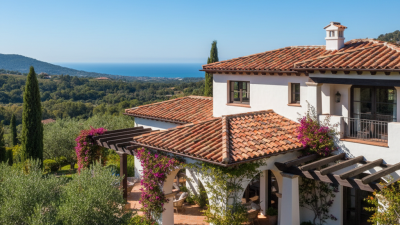
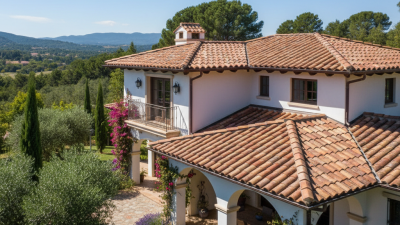
Spanish roof tile styles are shaped by climate, roof pitch, and regional building traditions. The classic barrel tile has a rounded channel, creating strong shadow lines and efficient rain drainage. Its curved profile also supports ventilation beneath the covering. However, barrel tiles can require careful alignment on exposed, wind-prone roofs.

The S-shaped tile combines a convex ridge with a concave trough. It offers the traditional Mediterranean appearance while covering more area per unit. Flat Spanish tiles provide a cleaner silhouette, but they need precise overlaps and reliable underlayment. Interlocking profiles improve installation speed and reduce water entry risks. The details matter. A beautiful profile cannot compensate for poor flashing.

According to Grand View Research’s 2024 roofing market analysis, global roofing demand is expected to grow steadily through 2030, supported by construction and replacement projects. The report also identifies material performance and regional climate as important purchasing factors. For international buyers, Spanish Style Synthetic Roof Tiles can reduce structural load compared with conventional clay products. Exact weight still varies by resin, reinforcement, and tile thickness. Fire classification, ultraviolet resistance, impact testing, and wind-load data should be checked before approval. Synthetic tiles may imitate aged clay convincingly, but color variation can look artificial when every piece is identical. That weakness deserves honest testing. A sample roof exposed to sunlight and rain often reveals more than a polished brochure.

Key Materials Used in Spanish Style Roof Tile Production

Spanish Style Roof Tiles begin with carefully selected raw materials, usually natural clay, water, and mineral pigments. Clay provides the tile’s body, while water makes the mixture workable during pressing or extrusion. Iron-rich clay can create warm red and terracotta shades without heavy surface coating.

Concrete versions use cement, sand, water, and durable mineral aggregates. These ingredients create a denser tile with consistent dimensions. Fine sand improves the surface, while graded aggregate supports strength and weather resistance. Pigments must remain stable under sunlight, rain, and repeated temperature changes.

Glazes may add a smoother finish and extra color depth. However, excessive glazing can reduce the traditional texture many buyers expect. Production teams often test absorption, breaking load, color stability, and freeze-thaw performance before shipment. Small differences in clay moisture can affect the final curve. That detail is easy to underestimate.

Some manufacturers add polymer modifiers or water-repellent compounds. These materials can improve handling and reduce moisture penetration, but they require controlled dosage. Too much additive may weaken bonding or change the tile’s appearance. Quality inspectors should examine edges, underside ribs, and firing consistency under strong light.

For global buyers, material records matter. Ask for test results, production specifications, and samples from different batches. A tile may look excellent in a showroom yet perform differently after long storage. Spanish Style Roof Tiles need suitable compatible battens, fasteners, and ventilation details for reliable roof installation.

How to Compare Tile Shapes, Profiles, and Surface Finishes

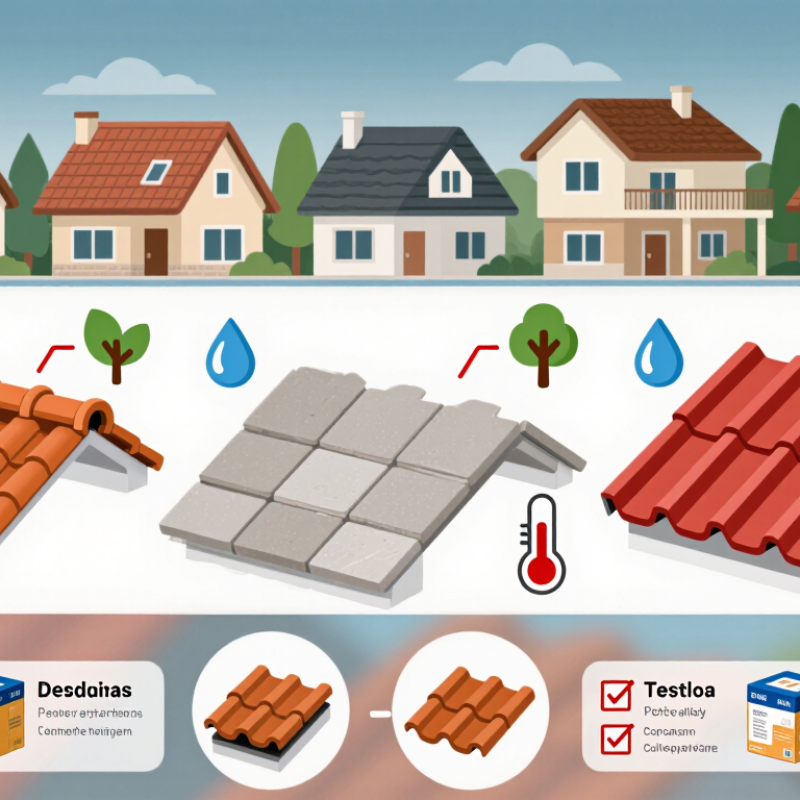
For global buyers, Spanish-style roof tiles should be compared by geometry before color. Barrel tiles create a rounded, traditional profile and shed water through overlapping channels. S-shaped tiles offer a similar appearance with more predictable interlocking. Flat interlocking tiles usually provide cleaner lines and faster installation. However, profile names are not fully standardized across markets. Request section drawings, not only catalogue photographs.

Check headlap, side locks, tile weight, and fixing points. These details affect wind resistance and leakage risk. UNE-EN 1304 sets performance requirements for clay roofing tiles, including dimensional accuracy and water impermeability. ASTM C1167 provides another recognized reference for clay roof tile quality. Ask suppliers for test results under the target region’s standards. A beautiful profile can still fail when its accessories do not match.

Surface finish changes both appearance and performance. Natural fired clay develops variation, while engobes create more consistent shades. Glazed finishes resist staining, but glare and local planning rules may require review. The 2024 Global Status Report for Buildings and Construction reports that buildings consume about 32% of global energy. Therefore, lighter, more reflective finishes may help in hot climates, though roof ventilation and insulation often matter more. Laboratory results are not field experience. I would compare sample tiles after wetting, scratching, and several days of sunlight. Small differences become obvious. My own caution is simple: color charts rarely show aging accurately.

Performance Factors for Different Global Climate Conditions

Climate changes the buying decision for Spanish Style Roofing Tiles. In hot regions, the U.S. Department of Energy reports that cool roofs can reduce peak roof temperatures by up to 50°F (28°C). A light-colored tile surface may limit heat entering the attic. Yet color alone is not enough. Ventilation, underlayment, and roof orientation also control indoor comfort.

In storm zones, wind resistance deserves close inspection. FEMA guidance recommends secure mechanical attachment and continuous water-shedding layers for high-wind construction. Curved Spanish profiles can drain heavy rain quickly, but exposed edges may lift if fixing patterns are weak. The World Meteorological Organization reported that 2024 was about 1.55°C above the pre-industrial average. Warmer air can hold more moisture, increasing intense rainfall risks. Check local wind and rainfall records, not only product photographs.

Cold climates create another test. Repeated freeze-thaw cycles can enlarge tiny pores and damage poorly fired tiles. ASTM C1167 classifies clay and concrete roofing tiles by durability requirements, offering a useful specification reference for buyers. Coastal projects need corrosion-resistant fasteners and careful salt exposure planning. Small details matter. I have seen attractive roofs fail around valleys and penetrations, where installation errors—not tile quality—caused leaks. A stronger inspection checklist would prevent many costly assumptions.

Installation Requirements and Roof Design Considerations

Spanish-style roof tiles can perform well worldwide, but installation must follow local climate and code requirements. Clay and concrete tiles often add 9–15 pounds per square foot, according to technical guidance from the Tile Roofing Industry Alliance. Existing rafters may need structural review before delivery. Do not rely on appearance alone.

A practical slope is often 4:12 or steeper. Lower slopes require carefully engineered underlayment, sealed laps, and controlled drainage. Spanish S-shaped tiles need consistent alignment, secure battens, and correctly sized headlap. In high-wind regions, fixings should follow the project’s wind calculations and ASCE 7 requirements. The International Building Code also requires compatible flashing around valleys, walls, chimneys, and roof penetrations. Small errors become expensive leaks.

Ventilation deserves equal attention. The U.S. Department of Energy reports that heating and cooling represent roughly half of household energy use in many homes. Tile color, roof ventilation, insulation, and the local climate therefore influence real performance. Reflective roof surfaces may reduce peak cooling demand by about 10–15%, according to energy-efficiency guidance from the U.S. Environmental Protection Agency. However, that figure is not universal. Dark tiles in a humid coastal climate may behave differently. I would also question any design using decorative tiles without tested attachment details. Beauty matters, but water management matters more.

2026 Top Spanish Style Roof Tiles for Global Buyers - Installation Requirements and Roof Design Considerations

Design or Installation Dimension Typical Requirement or Data Why It Matters for Spanish-Style Roofs Global Buyer Consideration
Common tile profiles Barrel or mission tiles, S-profile tiles, and interlocking tiles designed to resemble traditional Spanish clay roofing. The profile affects water drainage, tile overlap, fixing points, roof weight, and the visual rhythm of the roof. Confirm whether the product is a traditional two-piece system or a single interlocking unit before preparing the roof structure.
Typical materials Fired clay and concrete are the most common materials. Exact performance depends on density, shape, coating, and manufacturing standard. Clay generally provides a traditional appearance and stable color development; concrete can offer consistent dimensions and a broad color range. Request product test data, water absorption, frost resistance, dimensions, and applicable conformity documents for the destination market.
Roof pitch Many Spanish-style tile systems are installed on pitches of approximately 4:12 to 6:12 (18° to 27°) or steeper, but the approved minimum varies by tile and underlayment system. A suitable pitch helps water move through the tile laps and reduces the risk of wind-driven rain entering the roof assembly. Use the tested minimum pitch stated in the installation manual and local building code; do not select a pitch solely for appearance.
Tile weight and structural loading A completed tile covering commonly falls within roughly 35–70 kg/m² (7–14 lb/ft²), depending on material, profile, spacing, and accessories. Spanish-style roofs can be substantially heavier than many asphalt-shingle systems, especially when traditional two-piece tiles are used. A qualified structural professional should verify dead loads, snow loads, wind loads, seismic effects, and supporting-wall capacity before ordering.
Roof deck and underlayment The roof deck must be sound, properly fastened, and covered with an approved water-shedding underlayment. Low-slope or high-wind designs may require enhanced layers. Tiles are not normally the sole waterproofing layer; the underlayment and flashing system protect the building when water passes beneath the tile surface. Select membranes, felts, and flashings that comply with local code, climate exposure, UV conditions, and compatibility requirements.
Battens and counter-battens Batten size and spacing must match the tile gauge, support requirements, and fixing pattern specified for the selected profile. Incorrect gauge can create insufficient headlap, uneven courses, broken tiles, or poor alignment at ridges and valleys. Do not estimate spacing from tile length alone; allow for required overlap, site tolerance, and the manufacturer’s tested installation method.
Fixing method Mechanical fixing may use corrosion-resistant nails, screws, clips, or approved wire systems. Mortar bedding may be used in some traditional details but should not replace required mechanical restraint. Fixing requirements increase at eaves, verges, ridges, hips, roof edges, and areas exposed to strong wind or turbulence. Fastener material should suit the environment, particularly coastal, industrial, humid, and high-rainfall locations.
Wind resistance Required fixing density depends on basic wind speed, exposure, building height, roof geometry, tile mass, and local code calculations. Large overhangs, open terrain, corners, ridges, hips, and verges usually experience higher uplift than the central roof field. Obtain tested uplift values and a site-specific fixing schedule instead of relying on a universal “one tile in five” rule.
Rainwater management Provide correctly sized gutters, downpipes, eave closures, valleys, and flashing details based on local rainfall intensity and roof catchment area. The curved profile can discharge water quickly, while valleys and roof-to-wall intersections require careful control of concentrated flow. Use local rainfall data and drainage standards, especially in tropical, monsoon, and storm-prone regions.
Ventilation A ventilated air space beneath the tiles may be provided with eave intake and ridge or high-level exhaust, subject to the roof assembly and local code. Ventilation helps manage heat and moisture in the roof space and can support durability in hot or humid climates. Keep ventilation paths clear and coordinate them with insect screening, insulation, fire requirements, and weatherproof ridge details.
Ridge and hip details Use compatible ridge and hip tiles with a dry-fix or mechanically secured system where required. Install suitable under-ridge or under-hip weather seals. Ridges and hips are exposed to wind uplift and are frequent locations for leakage when bedding, pointing, or flashing is poorly executed. Confirm whether ridge accessories are included, separately supplied, or locally sourced, and check compatibility before shipment.
Valleys and roof-to-wall junctions Valleys require continuous underlayment protection and corrosion-resistant metal or approved proprietary flashing with adequate tile clearance. These areas collect water and debris; narrow cuts or inadequate clearance can obstruct drainage and increase breakage risk. Coordinate tile dimensions with flashing width, valley angle, wall cladding, skylights, chimneys, and solar penetrations.
Freeze-thaw suitability Cold climates require tiles tested and rated for frost resistance or freeze-thaw durability under the relevant regional standard. Water absorbed into a porous tile can expand during freezing and cause cracking, flaking, or premature failure. Ask for documented freeze-thaw test results and avoid products intended only for mild climates in regions with repeated freezing.
Hot and high-solar climates Clay and concrete tile roofs can provide a durable outer layer; roof color, ventilation, insulation, and radiant barriers influence heat gain. The air space and tile mass can moderate temperature changes, but tiles alone do not replace code-required insulation or ventilation. Evaluate solar reflectance, color stability, thermal expansion, and local energy-code requirements for the complete roof assembly.
Snow and ice conditions The structure and roof geometry must be designed for the site’s snow load. Snow guards may be required above entrances, walkways, and adjacent property. Smooth or curved tiles can release accumulated snow suddenly, creating a safety hazard and adding temporary loads to the roof. Confirm snow-load calculations, snow-retention accessories, eave protection, and ice-dam detailing before finalizing the design.
Fire performance Clay and concrete tiles are generally non-combustible, but the complete roof assembly must meet the applicable fire classification. Underlayment, battens, ventilation openings, eave construction, and penetrations can affect overall fire performance. Check the destination country’s wildfire, fire-separation, and roof-covering requirements rather than evaluating the tile in isolation.
Tile dimensions and coverage Coverage varies significantly by profile and overlap. Traditional two-piece systems may require approximately 10–15 or more pieces per m², while larger interlocking tiles may require fewer. The number of tiles affects weight calculations, battens, pallet planning, labor, and the quantity of replacement pieces. Use the net installed coverage stated in the technical sheet and add a project-specific allowance for cuts, breakage, and future maintenance.
Roof geometry and waste Simple gable roofs normally require less cutting than roofs with hips, valleys, dormers, multiple penetrations, or curved transitions. Complex geometry increases labor, flashing requirements, offcuts, and the likelihood of visible color or profile mismatches. Prepare a roof takeoff by plane and detail; order matching accessories and reserve attic stock for future repairs.
Color and surface finish Common finishes include natural clay tones, blended shades, engobes, and surface coatings. Color variation can occur between production batches. Color blending influences the traditional Spanish appearance, while surface finish can affect weathering, reflectance, and maintenance expectations. Approve a physical sample or control panel, define acceptable shade variation, and confirm batch consistency before large-scale delivery.
Accessories and penetrations Eave closures, verge units, ridge and hip tiles, ventilation pieces, valley components, pipe flashings, and tile clips should be planned with the main tile order. A visually consistent roof depends on compatible accessory geometry and correct transitions around openings. Verify dimensions, color, availability, replacement lead time, packaging, and compatibility with local flashing materials.
Installation quality control Check roof pitch, deck condition, underlayment laps, batten gauge, tile alignment, fixing density, flashing, ventilation, and ridge security during installation. Most performance problems result from unsuitable detailing or installation rather than from the tile profile alone. Use trained installers, retain installation records, inspect after severe weather, and replace cracked or displaced tiles promptly.
Note: Values shown are general planning ranges for Spanish-style roof tile systems. Final selection and installation must follow the specific product technical documentation, structural calculations, weather exposure assessment, and building regulations applicable at the project location.

How International Buyers Can Evaluate Suppliers and Costs

For 2026 purchases, international buyers should evaluate Spanish-style roof tiles through landed cost, not factory price alone. Ask each Spanish Style Roof Tile Manufacturer for clay composition, water absorption, frost resistance, dimensions, and test records. EN 1304 provides a useful reference for clay roofing tiles, although local building rules may require additional testing. A small sample shipment can reveal shade variation, chipped edges, and packaging weaknesses before a full container is ordered.

Supplier quotes should separate tile prices, pallets, export packing, inland transport, ocean freight, insurance, duties, and local delivery. The World Bank’s Commodity Markets Outlook shows that energy and freight conditions can change material costs quickly. Request a validity period for every quotation. Also compare usable coverage per square metre, because profiles with overlapping installation may require more pieces. A cheaper unit price can become expensive after breakage and extra labour.

Performance deserves equal attention. UNEP’s 2023 Global Status Report states that buildings and construction create about 37% of global energy-related emissions. Tile colour, roof ventilation, and installation quality influence indoor heat and long-term maintenance. Still, climate claims should be checked carefully. Ask for documented test results, production capacity, batch traceability, and realistic lead times. Some buyers focus too heavily on appearance. That is a costly mistake. Spanish-style does not automatically mean suitable for every wind, frost, or salt-exposure zone. Supplier evaluation should include references from comparable climates, clear warranty terms, and an independent pre-shipment inspection.

2026 Top Spanish Style Roof Tiles for Global Buyers

Indicative FOB planning ranges for common clay Spanish-style roof tile profiles. Buyers should compare coverage, weight, technical certification, minimum order quantity, packaging, and freight terms before selecting a supplier.

The figures are indicative 2025–2026 buyer-planning ranges in USD per square metre and exclude ocean freight, import duties, local taxes, installation, and project-specific discounts. Final costs depend on tile size, finish, breakage allowance, order volume, and Incoterms.

FAQS

How should buyers compare Spanish-style roof tile shapes?

Compare geometry before color. Barrel tiles create rounded channels and a traditional appearance. S-shaped tiles usually interlock more predictably. Flat interlocking tiles offer cleaner lines and faster installation. Looks can mislead.

Why are section drawings important?

Profile names vary between markets. A catalogue photograph may hide important differences. Request section drawings showing overlaps, locks, thickness, and water paths. Photographs are not enough.

Which technical details affect roof performance?

Check headlap, side locks, tile weight, and fixing points. These details influence wind resistance and leakage risk. Ask for dimensional accuracy and water-impermeability test results. Small measurements matter.

What standards can international buyers request?

Request test records based on EN 1304 or ASTM C1167. Local regulations may require additional testing. Match test conditions with the destination climate. A certificate alone may not answer every question.

How do surface finishes change tile performance?

Natural fired clay often shows color variation. Engobes create more consistent shades. Glazed surfaces resist staining but may create glare. Planning rules could affect finish selection.

Should buyers rely on color charts?

No. Color charts rarely show aging accurately. Wet sample tiles, scratch them gently, and expose them to sunlight for several days. Differences become obvious. My judgment may still be imperfect.

How should buyers calculate the real purchase cost?

Compare landed cost, not factory price alone. Include pallets, export packing, inland transport, freight, insurance, duties, and delivery. Also compare usable coverage per square metre. Overlapping profiles may need more pieces.

What should a small sample shipment reveal?

Inspect shade variation, chipped edges, tile dimensions, and packaging strength. Check whether accessories match the selected profile. A small shipment can expose problems before a full container arrives. It may not reveal every risk.

How should buyers evaluate supplier reliability?

Request production capacity, batch traceability, realistic lead times, warranty terms, and comparable climate references. Consider an independent pre-shipment inspection. Clear documents reduce costly surprises. Claims need evidence.

Can a Spanish-style profile suit every climate?

No. Suitability depends on wind, frost, salt exposure, ventilation, insulation, and installation quality. A beautiful profile can fail with unsuitable accessories. Climate matching deserves more attention.

Conclusion

This guide explores the main Spanish Style Roof Tiles available to global buyers, from traditional barrel and pan profiles to modern interlocking designs. It explains how each shape influences visual character, water drainage, weight distribution, and installation methods. The article also reviews common production materials, including fired clay, concrete, and advanced composite options, while comparing their durability, color stability, texture, and surface finishes.

Readers will learn how to evaluate tile performance in hot, cold, humid, windy, and coastal climates, as well as the importance of roof pitch, underlayment, ventilation, structural support, and local installation standards. The guide also provides practical advice for comparing international suppliers and total costs, including product quality, packaging, shipping, tariffs, accessories, breakage allowances, and after-sales communication. By considering both technical performance and long-term value, buyers can select Spanish Style Roof Tiles that suit their project design, climate, budget, and installation requirements.
Olivia

Olivia

Olivia is a dedicated marketing professional with a profound expertise in the roofing industry, particularly in high-performance resin roofing and cladding systems. With a background rooted in the advanced technologies of ASA/PVC/UPVC composites, she plays a crucial role in enhancing brand......
Previous 2026 How to Choose Corrugated Plastic Roofing Sheets?