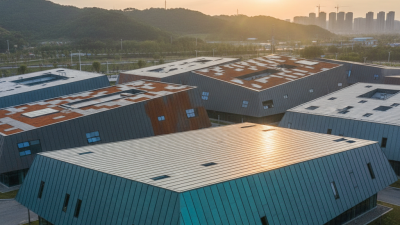
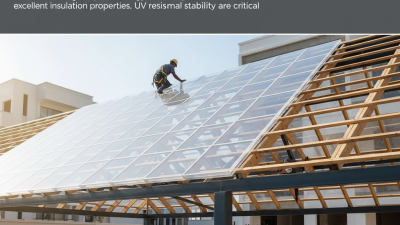
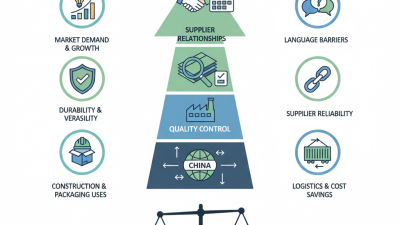
When you're looking into modern building materials, Plastic Roof Cladding really stands out as a game-changer. It’s got this pretty great combo of being durable while still looking good. That kind of versatility is now in high demand, whether you're working on a cozy home or a bigger commercial project. Companies like EcoClad Solutions are leading the way, showing off just how effective plastic cladding can be with some really innovative work.
One of the biggest perks? It’s lightweight but sturdy, so installing it isn't a nightmare. Plus, it's resistant to the bad weather and UV rays, which means less fuss and lower maintenance costs over time. But, here’s the thing—it's worth thinking about the environmental side of things too. Plastic has plenty of benefits, sure, but is it really a sustainable long-term choice? That’s a question worth pondering.
Plus, the variety of styles and colors available really opens up design options for architects and homeowners alike. On the flip side, some folks have mentioned that the color can fade or discolor after a while, so picking high-quality options and doing your homework on brands is pretty important. All in all, getting a good grasp of the pros and cons of plastic roof cladding is key to making smart decisions for your projects.
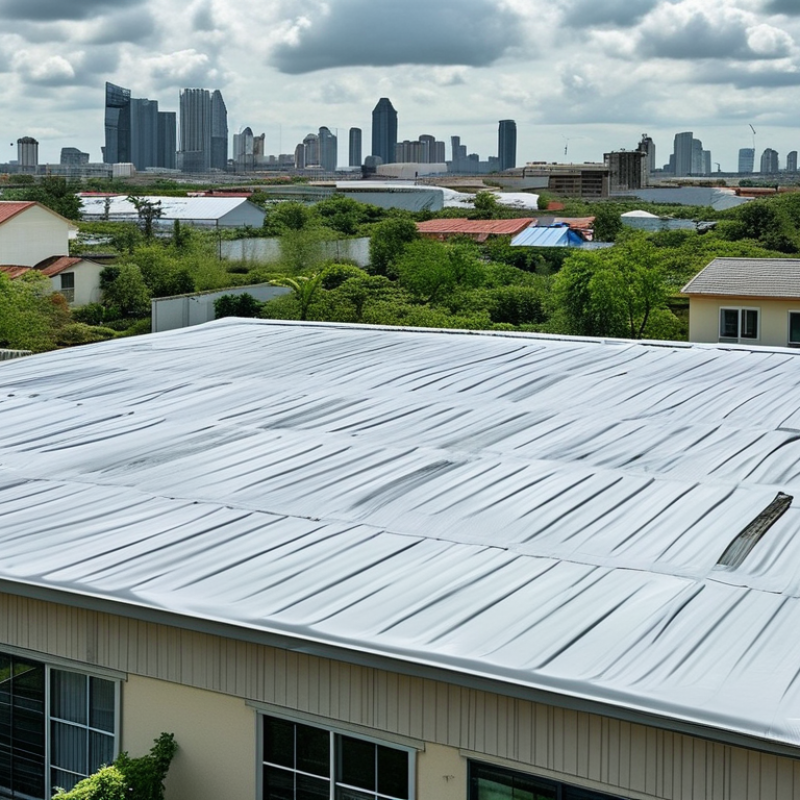
Benefits of Plastic Roof Cladding: An Overview
Plastic roof cladding offers numerous advantages for construction projects. Its lightweight nature reduces structural stress. This makes installation easier and faster. Contractors often appreciate the straightforward handling that Plastic Cladding provides. With less time spent on installation, overall project timelines can improve.
Durability stands out as a key benefit. Plastic roof cladding withstands harsh weather conditions, such as rain and snow. This resilience helps protect the underlying structure from potential damage. Unlike traditional materials, plastic cladding does not rust or corrode. However, some may question its long-term sustainability compared to natural materials.
The aesthetic flexibility of plastic cladding is noteworthy. It comes in various colors and styles, allowing for creative designs. This can enhance the visual appeal of buildings without compromising functionality. Some may worry about environmental impacts, prompting a need for better recycling options. This aspect remains an area for reflection within the industry.
Top 10 Benefits of Plastic Roof Cladding
Lightweight Properties of Plastic Roof Cladding
Plastic roof cladding is gaining popularity due to its lightweight properties. This feature is crucial for various construction projects. When materials are lighter, they reduce the overall load on the structure. This can be especially beneficial for roofs, where heavy materials can stress the underlying supports. Lighter materials also simplify the installation process, saving time and labor costs.
Additionally, the lightweight nature of plastic roof cladding allows for easier handling during transportation and installation. Workers can manage these materials without the need for heavy machinery. This not only enhances safety on site but also minimizes the risk of accidents. The adaptability of lightweight cladding means it can be used in various building designs, from residential homes to commercial establishments. However, some may feel uncertain about durability compared to heavier options.
While lightweight adds convenience, it’s essential to assess the long-term performance. Reflecting on this choice, some might question whether it compromises strength. Balancing weight and durability is critical. Conducting thorough research can guide you in making a sound decision for your projects.
Durability and Longevity of Plastic Roof Materials
Plastic roof cladding has gained popularity in construction due to its remarkable durability and longevity. According to a report by the International Institute of Building Materials, plastic roofing can last up to 50 years with proper maintenance. This impressive lifespan positions it as a cost-effective option for projects of all sizes. Roof Cladding Panels made from plastic are resistant to corrosion and do not degrade under harsh weather conditions, further extending their life cycle.
Data shows that plastic roof systems require less frequent replacement compared to traditional materials. This is crucial for reducing long-term costs for homeowners and builders. While plastic materials can be more susceptible to UV damage initially, advancements in technology have developed additives that enhance their resistance. Regular inspections are necessary, but the overall maintenance is minimal. This underlines the importance of choosing high-quality materials, as not all plastic roof alternatives provide the same level of durability.
It's worth noting that while the initial investment may be higher, the savings over time can be significant. Projects utilizing durable roofing materials like plastic cladding demonstrate fewer issues with leaks and repairs. Such statistics reinforce the case for adopting plastic roof cladding into new developments. However, selecting the right type of roof cladding panels requires careful consideration of environmental factors and specific project needs.
Cost-Effectiveness: Savings in Installation and Maintenance
Plastic roof cladding offers significant cost-effectiveness for various projects. Installation processes are generally quicker, leading to labor savings. Lightweight materials often reduce transportation costs. Additionally, these roofs require less structural reinforcement, minimizing the initial investment. Over time, maintenance expenses are reduced due to the material's durability and resistance to weather conditions. This means fewer repairs and replacements.
Tips for achieving savings include ensuring proper installation to avoid leaks and other issues. Regular inspections can help identify problems before they escalate. Consider utilizing a quality sealing system to enhance durability. Evaluate the roof's insulation properties. This can aid in energy savings by enhancing your building’s efficiency.
Though plastic roof cladding appears advantageous, it’s crucial to reflect on its longevity in different climates. Some may find that certain environmental conditions can affect performance. Understanding these factors will help you make informed decisions. Weigh the pros and cons carefully to maximize the benefits.
Energy Efficiency Advantages of Plastic Roof Cladding
Plastic roof cladding has gained attention for its energy efficiency advantages. Research shows that buildings equipped with plastic roofing can significantly reduce energy consumption. A report from the U.S. Department of Energy highlights that reflective roof materials can lower energy costs by up to 40%. This is crucial, especially in areas with harsh climates, as it helps maintain comfortable indoor temperatures.
Moreover, plastic roof cladding, such as PVC Interior Wall Cladding System, offers insulation benefits that enhance overall energy performance. This type of cladding helps prevent heat loss during winter and keeps interiors cool in summer. Studies indicate that proper insulation can improve HVAC efficiency by about 30%. However, the effectiveness depends on correct installation and the specific climate of the region.
While plastic cladding seems promising, some challenges remain. Not all plastic materials perform equally well. Environmental impacts and long-term durability require further reflection and research. Industry guidelines must evolve to ensure sustainable practices. It's essential to address these issues while considering the benefits of energy-efficient solutions.
Design Flexibility and Aesthetic Appeal of Plastic Roofing
When considering the design flexibility and aesthetic appeal of plastic roofing, the benefits shine through. One significant advantage lies in the ability to customize plastic roofing materials to fit diverse architectural styles. The versatility of plastic allows for various colors, textures, and finishes that can mimic traditional materials like wood or slate. According to industry data, nearly 70% of architects prefer materials that enhance design flexibility.
Plastic roofing systems, particularly in the form of a
PVC Wall Cladding System,
contribute not only to aesthetics but also to energy efficiency. An attractive roof can elevate property value significantly, often by more than 10% according to some market reports. With the rise of eco-conscious building practices, the visual appeal of plastic roofing continues to attract homeowners and builders alike.
However, challenges remain. The balance between aesthetic appeal and long-term durability needs careful consideration, as some designs may not withstand extreme weather conditions as well as others.
Incorporating plastic roofing requires an understanding of various materials. Knowledge of their strengths and weaknesses is essential. While plastic roofs allow for creativity, they must also meet performance standards. Achieving the perfect blend of appearance and functionality can be complex. Nonetheless, when executed well, plastic roofing systems can transform spaces dramatically, creating impactful visual experiences.
Environmental Impact: Sustainability of Plastic Roof Solutions
Plastic roof cladding offers a sustainable alternative in construction. Its lightweight nature reduces transportation emissions significantly. Made from recycled materials, it promotes a circular economy. This helps in reducing the reliance on virgin resources. The energy costs during production are lower, which also decreases the carbon footprint of construction projects.
Moreover, plastic roof solutions can be designed to last longer. They are resistant to factors like rot and corrosion, reducing waste over time. Many plastic types are recyclable, enabling a second life after their primary use. This aspect often gets overlooked in traditional materials. However, the use of plastic raises questions about long-term sustainability. Microplastics can contribute to environmental pollution.
Thus, while plastic roof cladding can enhance sustainability, it is not without its challenges. Striking a balance between durability and environmental impact is key. Responsible sourcing and end-of-life strategies should be incorporated into projects. Continuous innovation in the field is essential for addressing these concerns effectively.
FAQS
: Plastic roof cladding is lightweight, reducing structural load and simplifying installation.
Its lightweight nature allows for easier handling, reducing the need for heavy machinery.
While lightweight, some may question its durability compared to heavier materials.
It can reduce transportation emissions and is often made from recycled materials.
Yes, microplastics can lead to environmental pollution, raising sustainability questions.
Incorporating responsible sourcing and end-of-life strategies is essential for sustainability.
Balancing weight and durability is critical. Some may feel it affects overall strength.
Many types are resistant to rot and corrosion, potentially lasting longer than traditional materials.
Ongoing innovation is vital for addressing challenges related to durability and environmental impact.
Yes, conducting thorough research can help in making informed decisions for construction projects.
Conclusion
Plastic Roof Cladding offers numerous advantages for construction projects, making it a popular choice among builders and architects. Its lightweight properties facilitate easier handling and installation, while its durability ensures a long lifespan, minimizing the need for frequent replacements. Additionally, the cost-effectiveness of Plastic Roof Cladding is evident in the reduction of installation and maintenance expenses, which can translate into significant savings for project budgets.
Moreover, Plastic Roof Cladding provides energy efficiency benefits by improving thermal insulation, thereby reducing heating and cooling costs. Its design flexibility allows for a variety of aesthetic choices, enhancing the visual appeal of structures. Importantly, the sustainability of plastic roof solutions contributes to eco-friendly building practices, making them a responsible choice for environmentally-conscious projects. Overall, the benefits of Plastic Roof Cladding make it an excellent option for modern construction needs.