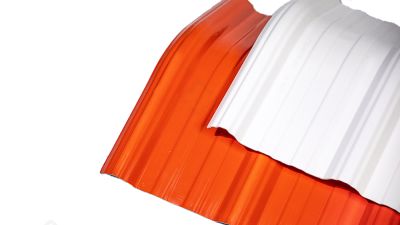
Hollow Roof Tiles are really starting to catch on in the construction world, and honestly, they've got a lot going for them. Recent studies suggest that buildings with these tiles can be up to 20% better at managing heat—that's a big deal for anyone trying to save on energy bills. No wonder energy-conscious developers are all about them! Plus, when you look at how long they last, industry reports from the National Association of Home Builders show that these tiles often last twice as long as your typical roofing materials, which is pretty impressive.
And it’s not just about practicality—these tiles look pretty good too. They come in a whole bunch of designs and colors, making them super versatile for different house styles. Lots of contractors actually prefer using the Synthetic Resin Board & Batten Hollow Roof Panel System because it’s easy to install and reliable. But, heads up—every project isn’t automatically a perfect fit for this material. It’s always good to check out what the specific project needs before jumping in.
That said, there are a few things to watch out for. Proper installation really matters if you want to get all these benefits. A sloppy job can cause issues later on, so working with experienced pros is totally worth it. Taking the time to weigh the pros and cons will really help make sure you get the best results when using Hollow Roof Tiles for your projects.

Benefits of Hollow Roof Tile: Overview and Industry Insights
Hollow roof tiles are increasingly popular in the construction industry due to their unique properties. These tiles offer excellent thermal insulation, which can significantly reduce energy costs. According to a recent industry report, buildings utilizing hollow roof tiles demonstrate energy efficiency improvements of up to 20% compared to traditional roofing materials. This efficiency is particularly noticeable in commercial structures, where long-term operational costs matter.
Moreover, these tiles are lightweight, making installation easier and less labor-intensive. A study by construction analysts revealed that using hollow roof tiles could reduce overall installation time by approximately 15%. This can lead to faster project completion and reduced labor expenses. However, while they seem beneficial, it's important to ensure proper installation practices to avoid potential moisture retention issues. Without proper ventilation, this can lead to problems over time.
Another noteworthy aspect is sustainability. Hollow roof tiles can be made from recycled materials, supporting eco-friendly construction practices. The demand for sustainable building solutions is rising, with market research indicating a 30% annual growth in the eco-friendly segment. However, challenges remain in ensuring the durability of these materials under extreme weather conditions. Continuous innovation in manufacturing techniques is critical to address these concerns.
Enhanced Thermal Insulation Properties of Hollow Roof Tiles
Hollow roof tiles are gaining popularity for their exceptional thermal insulation properties. Studies have shown that these tiles can significantly reduce energy consumption in buildings. For example, a report by the Energy Department revealed that effective insulation can lower heating and cooling costs by up to 30%. This is particularly valuable in regions with extreme temperatures.
The design of hollow roof tiles creates air pockets, providing enhanced insulation. This structure allows for better regulation of indoor temperatures. Data from the Building Research Establishment highlights that buildings using hollow tiles maintained more stable temperatures compared to those using traditional materials. However, the effectiveness can vary based on the installation methods and local climate conditions.
Some might overlook the potential drawbacks. While hollow tiles are durable, issues such as water absorption can occur if not properly sealed. It's essential to assess the local environment before making a decision. Appropriate installation is critical to maximize their benefits. The cost-effectiveness of hollow roof tiles hinges on both their thermal efficiency and the skill of the installation team.
Lightweight Construction Advantages of Hollow Roof Tiles
Hollow Roof Tiles offer unique advantages in lightweight construction. These tiles are designed to minimize weight while maintaining strength. This reduces the load on supporting structures, making them ideal for various building projects. Their reduced weight can lead to easier handling during installation, potentially lowering labor costs.
Moreover, using Hollow Roof Tiles can enhance energy efficiency. The air pockets within these tiles provide natural insulation. This helps regulate indoor temperatures and reduces heating and cooling needs. As a result, energy bills may decrease, benefiting both the environment and the owner's wallet.
While Hollow Roof Tiles provide many benefits, there are some challenges. Installation requires specific techniques to ensure durability. Improper handling can lead to damage, affecting the tile's performance. It's essential to invest time in proper training and resources. This approach helps to maximize the benefits and minimize potential drawbacks of using Hollow Roof Tiles in construction projects.
Cost-Effectiveness: Long-Term Savings with Hollow Roof Tiles
Hollow roof tiles offer significant cost-effectiveness for construction projects. These tiles are designed to provide better insulation, reducing energy costs. According to the U.S. Department of Energy, homes with proper insulation can save up to 15% on heating and cooling bills. This is crucial as energy prices fluctuate, making long-term savings valuable.
In addition, the durability of hollow roof tiles contributes to their cost-effectiveness. Concrete and ceramic variants often have lifespans of over 50 years. A study by the National Institute of Standards and Technology indicates that longer-lasting materials can lower maintenance and replacement costs by nearly 30%. However, improper installation can lead to costly repairs down the line.
Moreover, using hollow tiles can enhance resale value. Properties built with energy-efficient materials often attract buyers willing to pay a premium. Data from the National Association of Realtors shows that energy-efficient homes can sell for 10% more than traditional homes. It is essential, however, to weigh initial costs against potential benefits. Investing in quality hollow roof tiles requires careful planning to ensure maximum returns.
Cost-Effectiveness: Long-Term Savings with Hollow Roof Tiles
Structural Integrity and Durability of Hollow Roof Tiles
Hollow roof tiles are gaining popularity in construction for their structural integrity and durability. These tiles offer a lightweight solution, making them easy to handle during installation. Their hollow design reduces the amount of material needed, contributing to lower costs. This design also enhances thermal efficiency, which can save energy over time. Proper installation can lead to a long lifespan, even in challenging climates.
When choosing hollow roof tiles for your project, consider the local weather patterns. Some materials perform better in certain climates. Look for tiles that have been tested for impact resistance and water absorption. It’s crucial to understand that not every tile suits every environment.
It’s beneficial to test a few samples before committing to a large order. Many projects run into issues when the selected tile does not meet expected performance standards. Be aware of the installation process; improper fitting can compromise the durability of hollow roof tiles. Always seek guidance from professionals who understand the nuances of these materials. Doing so enhances the longevity of your roofing solution.
Environmental Sustainability and Energy Efficiency Benefits
Hollow roof tiles offer numerous advantages for construction projects, particularly in the realms of environmental sustainability and energy efficiency. These tiles are often made from recycled materials, reducing waste and conserving resources. They are lightweight, which can lessen the energy used during transportation. This contributes to a smaller carbon footprint for your building project.
Using Pvc Hollow Tile can enhance a building's insulation. Their unique structure allows for better airflow, maintaining comfortable indoor temperatures. This leads to reduced energy consumption for heating and cooling. Imagine a summer day when the roof keeps your home cool without overworking the air conditioner. However, this benefit is not universal; installation quality plays a significant role in performance.
Another essential aspect is water retention. Hollow tiles can manage rainfall effectively, reducing runoff issues. Yet, if not maintained, they could cause drainage problems. Builders should also consider local climate conditions when selecting materials. The concept of sustainability should encourage continuous reflection and improvement in construction practices. Adopting Pvc Hollow Tile is a step towards a greener future, but it’s essential to remain critical of methods and outcomes to ensure lasting benefits.
Improved Aesthetic Appeal in Architectural Design
Hollow roof tiles play a crucial role in enhancing the aesthetic appeal of architectural designs. Their unique structure creates interesting patterns and textures that draw attention. According to a recent study by the American Institute of Architects, over 68% of architects agree that materials like Asa Pvc Hollow Tile improve the overall design quality of buildings. Such materials contribute not only to beauty but also to functionality.
The versatility of hollow roof tiles enables various styles, from traditional to contemporary. They can be used in residential and commercial projects, lending an elegant touch. Data from the Building Materials Research Institute indicates that structures using innovative materials are perceived as 30% more attractive. This perception influences property values and attracts potential buyers.
However, it’s essential to consider the installation process. Not all installers are experienced with hollow tiles, which can lead to aesthetic discrepancies. Improper installation may detract from the intended design. Architects should choose reliable contractors familiar with materials like Asa Pvc Hollow Tile. While these tiles provide many benefits, attention to detail during installation remains crucial for achieving the desired visual impact.
Resistance to Weather Variability and Natural Disasters
Hollow roof tiles offer significant benefits when it comes to weather variability and natural disasters. Their lightweight nature helps to reduce stress on buildings during severe storms. This characteristic makes them especially valuable in regions prone to high winds and heavy precipitation. When strong winds hit, these tiles can withstand forces that heavier materials may not endure. This resilience can help protect structures from damage when nature unleashes its fury.
Additionally, the thermal properties of hollow roof tiles enhance their value. They can act as insulators, helping to regulate indoor temperatures during extreme heat or cold. This insulation means homes remain comfortable while reducing energy costs. In areas experiencing fluctuating temperatures, this benefit is essential. However, proper installation and maintenance are crucial. If not done correctly, even resilient tiles can face issues over time.
While hollow roof tiles provide many advantages, it is important to consider local building codes and standards. Each region may have unique requirements based on local climates. Not all tiles may meet these standards, which is a critical factor to weigh. Before deciding on materials, consult with professionals who understand local conditions thoroughly. This step ensures your project remains safe and effective amidst unpredictable weather patterns.
Efficient Waterproofing with China Tuff-Rib Roofing Tile Ridge Cap: A Reliable Solution from Trusted Suppliers
When it comes to roofing solutions, the importance of an efficient waterproofing system cannot be overstated. The Tuff-Rib Roof Ridge Cap emerges as a critical component, specifically designed for Tuff-Rib synthetic resin roofing panels. This high-quality ridge cap is manufactured with precision, providing an effective waterproof seal along the roof’s peak, which is vital for preventing water infiltration. According to industry reports, the integrity of roofing systems can significantly enhance their lifespan, with proper sealing reducing water-related damages by up to 60%.
Utilizing the Tuff-Rib Roof Ridge Cap ensures a robust connection between adjoining roof panels, creating a seamless barrier that protects against harsh weather conditions. Reports from roofing industry analysis indicate that inadequate ridge caps can lead to leaks, ultimately causing costly repairs and compromising the structural integrity of buildings. This ridge cap not only offers durability but also meets stringent quality standards, making it a reliable choice for any roofing project. The careful engineering behind this accessory ensures that it withstands the test of time, even in the most challenging environments.
As reliability is key in roofing applications, the impact of using high-quality accessories like the Tuff-Rib Roof Ridge Cap should not be underestimated. Homeowners and contractors alike will find that investing in reliable roofing components contributes significantly to the overall performance and longevity of the roofing system. Enhanced waterproofing, increased durability, and effective weather resistance make this ridge cap an essential choice for safeguarding properties against the elements.
FAQS
: Hollow roof tiles provide excellent thermal insulation, reducing energy costs significantly.
These tiles are lightweight, reducing installation time by about 15%, leading to faster project completion.
Yes, they can be made from recycled materials, supporting eco-friendly construction practices.
Homes with proper insulation can save up to 15% on heating and cooling bills.
Energy-efficient homes often sell for 10% more, appealing to buyers looking for lower utility costs.
Proper installation is crucial; poor practices can lead to moisture issues and costly repairs.
There are durability challenges under extreme weather, requiring innovation in manufacturing for better performance.
They create unique patterns and textures, making structures more attractive and enhancing property values.
Improper installation can detract from aesthetics; reliable contractors are essential for achieving the desired look.
Detail during installation is crucial, as experience with these materials can vary among contractors.
Conclusion
Hollow Roof Tile offers numerous advantages for construction projects, making it a popular choice in the industry. One of the key benefits is its enhanced thermal insulation properties, which contribute to energy efficiency and sustainability in buildings. Additionally, the lightweight nature of Hollow Roof Tile reduces structural load, making it ideal for various architectural designs. Cost-effectiveness is another significant factor, as choosing Hollow Roof Tile can lead to long-term savings in maintenance and energy consumption.
Moreover, the durability and structural integrity of Hollow Roof Tile provide resilience against weather variability and natural disasters, ensuring a long-lasting solution for roofing needs. The aesthetic appeal adds to its value, allowing for versatile designs while maintaining functional benefits. Overall, Hollow Roof Tile stands out as a reliable and efficient material that meets the demands of modern construction while promoting environmental sustainability.