You'd think choosing packaging would be simple—until a box gets soaked, crushed, or manages to get reused for the tenth time. That's where Plastic Corrugated Panels come in. They're a lighter option than solid plastic sheets, and they give traditional corrugated cardboard a run for its money. You’ll usually see these made with two flat panels and a fluted layer in between, which keeps them light without making them too flimsy. How well they actually work, though? That depends on things like material, thickness, flute design, and how carefully they’re put together.
So for packaging teams, that could look like custom dividers, returnable bins, protective sleeves, or layer pads — anything that's a bit easier to wipe down than paper-based stuff. You can cut a panel to fit a product, then print or assemble it for a specific workflow. And the little things matter a lot. Sharp edges, repeated folding, even a poor fit can still damage goods or cut service life short. So yeah, it's not a universal fix.
Honestly, the real question isn't just whether plastic panels are stronger. It's more about whether they actually fit your product, the shipping route, how they'll be stored, and how many times they're expected to be used. You've got to test samples under real-world conditions—like stacking and rough handling. And don't forget to check temperature limits, plus whether the material grade is safe to come into contact with whatever you're packaging. Doing all that helps you avoid picking a material just because it looks good. Look, plastic corrugated panels can definitely lighten your packaging or mean fewer replacements in some cases, but it really depends. Cardboard might be the smarter bet if you're mainly worried about upfront cost or keeping things easy to recycle. Honestly, a quick trial tells you way more than any confident claim.
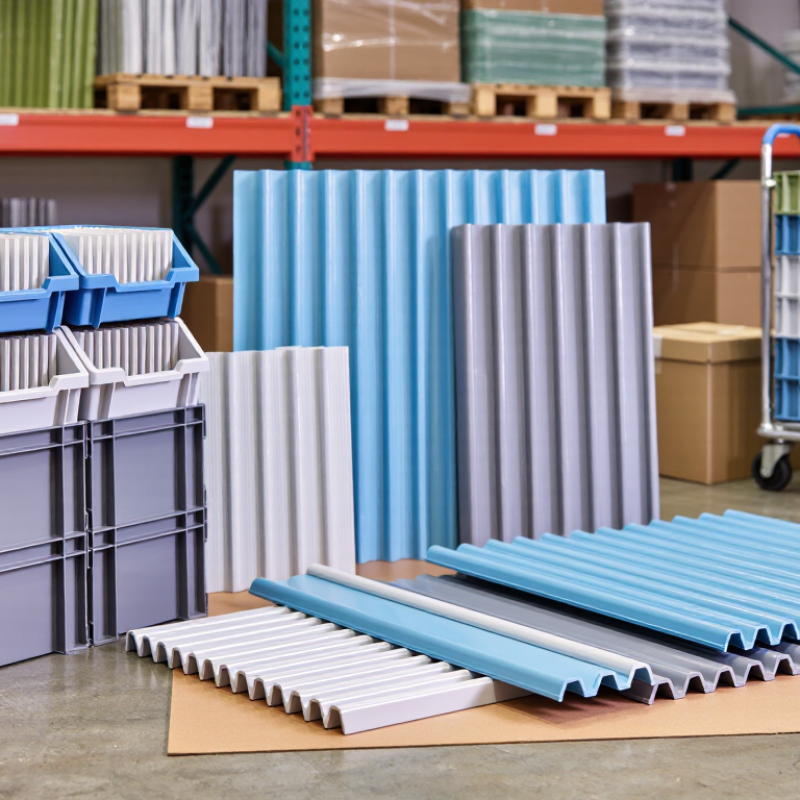
Plastic corrugated panels are lightweight sheets formed with two flat skins joined by parallel ribs, creating hollow channels through the middle. Many packaging versions use polypropylene, though material and thickness vary by application. The channels add stiffness without making the sheet solid or heavy. Look at the cut edge and you can usually see the small flutes inside.
For packaging, these panels can be cut into dividers, sleeves, layer pads, or reusable boxes. A sheet can feel surprisingly rigid, yet its edges may crush under a concentrated load. It is not indestructible. Moisture resistance helps when cartons encounter damp floors or brief splashes, but prolonged exposure, heat, and heavy stacking still need testing. In practice, check panel thickness, flute direction, and how the parts fit around the product. A divider that shifts during transport may offer less protection than expected.
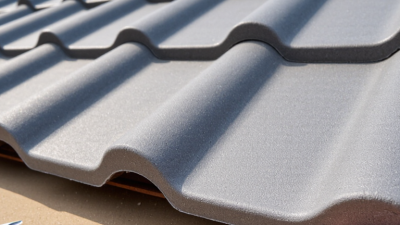
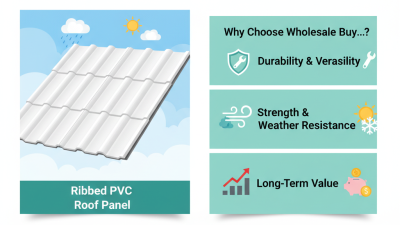
Plastic roof panels may share a ribbed appearance, but roofing products and packaging sheets are not automatically interchangeable. Their formulations, thicknesses, and performance requirements can differ. For a packaging trial, cut a sample with the intended tool, fold or slot it as designed, then test it with the actual product and stacking conditions. A small crease can matter. Manufacturers’ technical specifications are useful, but real handling can reveal details a data sheet misses.
Plastic corrugated panels are lightweight, fluted sheets—commonly made from polypropylene—used to make reusable packaging, dividers, and protective covers.
About the chart: These are examples of commonly available nominal sheet thicknesses, not a universal product range. Thicker panels can offer greater rigidity, but performance also depends on flute structure, resin, and design. Lightweight construction and resistance to moisture make these panels useful for many packaging applications.
Most plastic corrugated panels begin as polypropylene or polyethylene resin pellets. An extruder heats and melts the pellets, then pushes the material through a shaped die. The die forms two flat skins connected by vertical ribs. Think of a lightweight ladder sealed between thin sheets. PlasticsEurope reported global plastics production of 413.8 million tonnes in 2023; that figure covers all plastics, not corrugated panels, but shows the scale of the material industry.
The warm sheet passes through cooling and calibration equipment, which helps hold its shape and thickness. Rollers then pull it forward for cutting into sheets or custom blanks. Manufacturers may add corona treatment to help inks or adhesives bond to the surface. Recycled resin can also be used, but its consistency may vary. That matters. Small changes in melt flow or contamination can affect the panel’s finish and strength, so production checks should include thickness and visual inspection.
Tips: Ask for the panel’s resin type, thickness tolerance, and recycled-content details. Test a sample with your actual load and packing method. A panel that looks sturdy can still flex at a sharp corner.
Plastic corrugated panels have twin-wall channels that add stiffness without the weight of solid sheets. This structure helps protect cartons, dividers, and reusable containers from everyday knocks. They are light. A worker can carry several cut panels without straining, and their low weight may help reduce handling effort. The material also resists moisture better than ordinary cardboard, making it useful around damp floors or occasional splashes. It is not a sealed barrier, though; exposed edges and poorly fitted lids can still let water in.
The panels can be cut, folded, and shaped to fit products such as flat components or small equipment. Trapezoidal Plastic Panels may suit applications that need added rigidity, but the profile and thickness should match the load. Plastic corrugated sheets can often be wiped clean and reused, which is practical when packaging moves repeatedly between locations. Check for cracks, crushed channels, or sharp edges before reuse. They can also flex under concentrated pressure, so a heavy item may need internal supports. One detail is easy to overlook: performance varies with material grade, temperature, and sunlight exposure. A small trial with the actual product and route is sensible, even if it feels like extra work.
Plastic Corrugated Panels use hollow flutes between smooth plastic surfaces. This structure helps absorb knocks and resist crushing during routine handling. A panel placed between stacked items can reduce rubbing, scuffs, and pressure marks. The material also resists moisture better than many paper-based dividers, which is useful in damp warehouses or during rainy loading. It is not magic armor. Sharp corners, heavy loads, or careless forklift movement can still damage goods.
Tips: Choose panel thickness to match the item’s weight and shape. Add corner guards for fragile edges, and cut panels so they fit snugly without bending. Keep heavy products low in the stack. Check that ventilation openings remain clear when packaging goods that need airflow.
For transport, panels can separate products inside a crate or line its walls to limit direct contact with hard surfaces. Their light weight may also help keep package weight down. Inspect panels before reuse; cracked flutes or badly bent edges offer less protection. One detail is easy to overlook: a tight fit can still allow items to shift if the outer package has extra space. Test the packed load with a short handling trial, then adjust the inserts if movement remains.
Plastic corrugated panels are commonly used for returnable totes, partitioned bins, layer pads, and protective sleeves. In automotive supply chains, dividers separate painted trim or small components during repeated trips between suppliers and assembly sites. Electronics packers use fitted cells to limit movement and surface scuffs. Produce operations may use vented panels in reusable field crates, where moisture resistance can help during washing and handling.
The scale of shipping helps explain the demand for practical packaging choices. UNCTAD’s Estimates of Global E-commerce 2019 and 2020 report put global e-commerce sales at about US$26.7 trillion in 2019. That figure includes business-to-business and consumer transactions, not plastic-panel packaging alone. Still, it points to the volume of goods moving through supply chains. Panels can be cut, folded, and printed with handling instructions. They stack well. But fit matters: oversized cells waste space, while tight dividers slow packing. Plastic panels are not ideal for every route, either; poorly designed return loops can send empty containers back unnecessarily. Packaging teams should test panel thickness, load, cleaning needs, and return distance with actual products before choosing a format.
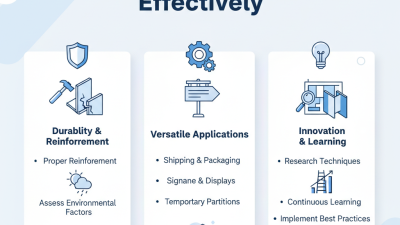
Plastic corrugated panels can protect goods without adding much weight, but the right choice depends on the job. Start with the load and handling conditions. A flat divider for small parts needs less rigidity than a reusable sleeve holding metal components. Check panel thickness, flute direction, and how edges are supported. A sample loaded on a real pallet can reveal sagging that a desk test misses.
Consider exposure, too. Will the panels face rain, dust, oils, or repeated cleaning? Ask the supplier for material and temperature specifications, then test the panel with the actual contents. Check sheet size against your cutting plan; oversized sheets can create avoidable scrap. The thickest option is not always best. It may add cost and weight without improving protection. One detail is easy to overlook: sharp corners can crush flutes during stacking.
Also weigh reuse and disposal. A smooth surface may be easier to wipe, while damaged panels can lose stiffness after repeated trips. Confirm whether your local recycling service accepts the specific plastic and construction. Search terms such as Corrugated Pvc Composite Carport Roof Panels describe a roofing application, not proof of packaging suitability. Request a packaging-grade sample and inspect its edges, folds, and performance under your shipping conditions. That practical check is worth the extra day.
| Factor | Why It Matters | What Plastic Corrugated Panels Offer | What to Consider |
|---|---|---|---|
| Moisture exposure | Packaging may encounter rain, splashes, condensation, or damp storage conditions. | Plastic sheet does not absorb water like paper-based corrugated board, so it can retain its shape better when wet. | Check the panel, seams, closures, and printed surface as a complete package; water resistance does not automatically make the package watertight. |
| Reuse and service life | Reusable packaging can reduce the need to replace containers on every trip. | The fluted plastic structure can be suitable for returnable totes, dividers, and protective sleeves when designed for repeated handling. | Estimate the number of trips and inspect likely wear points, such as folds, slots, edges, and fastening areas. |
| Load and impact protection | Panel thickness, flute direction, box design, and support affect how well a package handles stacking and impacts. | The hollow fluted structure provides stiffness while keeping the sheet relatively lightweight. | Request samples and test the finished package under expected loads; a panel alone does not determine box compression or product protection. |
| Weight and freight | Packaging weight affects handling and can contribute to shipping cost, depending on the carrier and shipment dimensions. | Fluted construction uses air spaces within the panel, providing stiffness without a solid sheet of plastic. | Compare the weight of the complete package, including reinforcements and closures, with suitable alternatives. |
| Temperature and environment | Heat, cold, ultraviolet exposure, and chemicals can affect plastic stiffness, durability, and suitability. | Available formulations and additives can be selected for particular service conditions. | Confirm the resin and technical specifications with the supplier, then test under the actual storage, transport, and exposure conditions. |
| Fabrication and package design | The package must be practical to cut, fold, assemble, close, and handle within the available operation. | Panels can be converted into boxes, sleeves, layer pads, and internal dividers using appropriate cutting and joining methods. | Check fold locations, flute orientation, edge finish, closure method, and compatibility with packing equipment. |
| Printing and identification | Labels and markings support product identification, handling instructions, and inventory processes. | Panels can be printed or labeled, depending on the surface treatment and printing process. | Test ink adhesion, barcode readability, and label performance on the selected panel and in the intended environment. |
| Cleaning and hygiene | Some returnable packaging needs routine cleaning between uses. | Plastic surfaces can generally be wiped or washed, subject to the resin, design, and cleaning method. | Check chemical compatibility, drainage, drying, and any applicable food-contact or hygiene requirements before use. |
| End-of-life and recycling | The material and package design influence whether used packaging can be collected and recycled locally. | Many panels are made from polypropylene, while other resin types are also used; resin identification can help determine recycling options. | Verify the actual resin, coatings, labels, and local collection rules. Recyclability depends on local facilities and package composition. |
| Total cost | Purchase price alone may not reflect replacement frequency, handling, cleaning, storage, or return logistics. | A reusable panel package may be economical over multiple trips when it lasts and can be returned efficiently. | Compare total cost over the expected service life with a suitable single-use or reusable alternative. |
Factory-direct ridge caps provide a practical way to protect the peak of a roof fitted with ribbed synthetic resin panels. Shaped to follow the profile of the roofing sheets, each cap covers the joint where two roof slopes meet and helps reduce openings through which rainwater or wind-driven moisture could enter. A close fit also creates a neat, consistent finish along the ridge.
Made for dependable performance, these ridge caps form a durable barrier while helping secure adjoining panels at the roof peak. They are suitable for roofing projects that need a compatible, profile-matched accessory, whether for new construction or roof upgrades. Sourced directly from the factory, they offer a straightforward option for builders and suppliers seeking reliable ridge protection for synthetic resin roofing systems.
They are used in returnable totes, partitioned bins, layer pads, and protective sleeves. Dividers can separate painted trim or small components during repeated shipments.
Fitted cells limit movement and reduce surface scuffs on electronics. Vented panels can help produce crates drain and dry during washing and handling.
Match thickness and flute direction to the load. A sample on a loaded pallet can reveal sagging that a desk test misses. Fit matters.
Not always. Extra thickness can add weight and cost without improving protection. Check whether supported edges and suitable cell sizes solve the problem instead.
Load them with the actual products and test stacking, folds, and edges. Consider rain, dust, oils, temperature, and repeated cleaning. Test it first.
Oversized cells waste space, while tight dividers can slow packing. Sharp corners may crush the flutes when containers are stacked.
Smooth surfaces may be easier to wipe, but repeated trips can damage panels and reduce stiffness. Check whether local recycling services accept the specific material and construction.
Compare the return distance with the number of expected trips. Poorly planned return loops can send empty containers back unnecessarily. I might still overlook a route-specific issue, so test with actual shipments.
Plastic Corrugated Panels are lightweight, durable sheets made from layers of plastic with a fluted inner core. This structure gives them strength without adding much weight. They are typically produced by forming plastic into a corrugated center and bonding it between flat outer layers, creating panels that can be cut and shaped for different packaging needs.
Their resistance to moisture, impact, and repeated handling makes them useful for protecting products during storage and transport. They can help cushion items, separate components, and provide a sturdy outer layer for boxes, dividers, and reusable containers. When choosing panels, consider the product’s weight and dimensions, the level of protection required, exposure to moisture, panel thickness, and whether the packaging needs to be reused. Selecting the right option can support safer handling and more efficient packing.