Leave Your Message
Picking out a synthetic resin roof tile isn’t just about color or price — there’s a lot more to think about. Honestly, the right choice should really match your roof’s slope, the climate in your area, and how you’re planning to install it. Sometimes, a sample might seem super sturdy inside the store, but it could behave totally differently when it’s out in the sun, caught in heavy rain, or going through those constant temperature swings. Little details really do count. Make sure to check out the product’s technical specs — stuff like dimensions, weight, fixing instructions, and any testing info available. Don’t hesitate to ask how it handles UV rays and whether the manufacturer offers clear info on care and warranties. That kind of info can save you headaches later.
This guide is basically your cheat sheet for questions to ask before you start comparing products. Take a close look at things like the material’s consistency, the edge design, how the tiles overlap, and how they connect to the roof structure. If you’re working on a bigger project, it’s a good idea to compare systems like the Synthetic Resin Board & Batten Hollow Roof System with regular tiles, just to see what fits best for your specific roof. Also, installation instructions should be clear enough for experienced roofers to follow without a hitch. If something’s vague, ask for it in writing — don’t just rely on what the sales guy says. It might take a bit more time, but it can save you from costly surprises down the road.
Remember, no single tile works for every house or building. Things like wind, drainage, the roof’s framing, or even the skill level of whoever’s installing can totally change how it turns out. Sometimes, choosing a cheaper option could mean extra maintenance later, or maybe fewer tested features. Just be careful with that. Always compare similar options, dig into trustworthy info, and weigh the initial cost against what makes sense for the long haul. The best choice isn’t just the one with the coolest brochure — it’s the one that’s tried and tested, fits your roof, and makes the most sense in the long run.
How to Choose the Best Synthetic Resin Roof Tile?
Understand Synthetic Resin Roof Tile Materials and Types
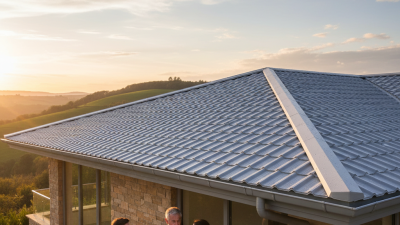
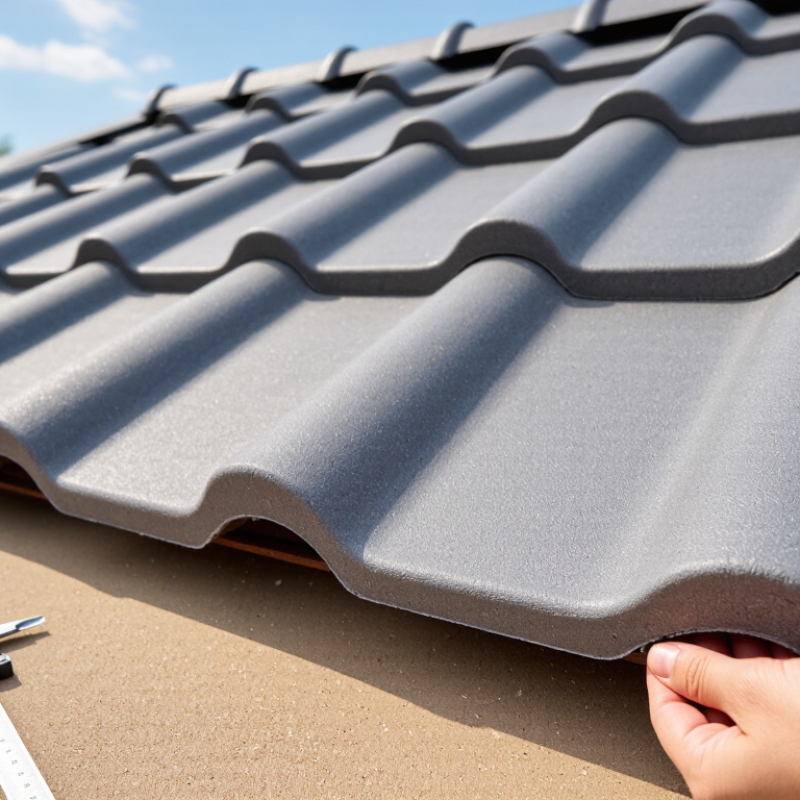
Synthetic resin roof tiles are often made with a PVC-based core and a weather-resistant ASA surface layer. The core gives the tile its shape, while the outer layer helps resist sunlight, rain, and fading. Check the product’s technical data for material composition, thickness, and UV-resistance testing. A glossy finish alone proves little.
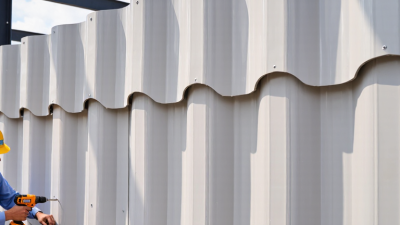
Profiles vary, too. Wave-shaped tiles suit traditional roof lines, while flatter or trapezoidal profiles create a more contemporary look. Each shape affects water drainage and how tiles meet at the edges. Small details matter. Compare the profile with your roof’s slope and support spacing, rather than choosing by color alone.
The phrase 1050 Synthetic Resin Roof Tile may appear in product searches, but the number alone does not tell you the tile’s composition or performance. Ask what the stated measurement refers to, and review installation guidance and warranty conditions. I would not judge a tile by a showroom sample; real exposure can change its appearance over time. That is easy to overlook. A local roofing professional can help check whether the material and profile suit your roof’s climate and structure.
| Category | Type or Feature | Typical Construction or Form | Potential Advantages | Selection Considerations and Suitable Uses |
|---|---|---|---|---|
| Material | ASA-PVC composite tile | Typically has a PVC-based body with a weather-resistant ASA surface layer. | The surface layer is designed to improve resistance to outdoor weathering and color change compared with unprotected PVC. | Check the surface-layer specification, total thickness, installation details, and warranty. Often considered for residential, commercial, and renovation projects exposed to sun and rain. |
| Material | PVC roof tile | Made primarily from polyvinyl chloride, with formulation and additives varying by product. | Lightweight and generally resistant to moisture and corrosion; can be formed into different profiles. | Outdoor performance depends on the formulation, UV stabilizers, thickness, and support spacing. Confirm the product is intended for the local climate and roof design. |
| Material | FRP roof panel or tile | Fiberglass-reinforced plastic, commonly made with glass fibers in a polyester resin matrix; some versions are translucent. | The reinforcement provides strength, and translucent versions can admit daylight. | Check UV protection, resin and surface-finish specifications, light transmission where relevant, and fixing details. Often used for canopies, workshops, and daylighting sections. |
| Profile | Corrugated or high-wave | Repeated ridges and valleys run along the length of the sheet or tile. | The profile helps channel rainwater and can provide stiffness compared with a flat sheet of similar material. | Confirm the required roof pitch, side and end laps, drainage direction, and support spacing. Commonly selected for utility buildings, sheds, and larger roof areas. |
| Profile | Spanish or Roman-style | A molded profile with rounded or curved forms intended to resemble traditional clay roof tiles. | Offers a traditional tiled appearance with a lighter synthetic construction than clay or concrete tiles. | Check the installation layout, overlap, ridge components, and compatibility with the roof framing. A suitable option where a traditional appearance is preferred. |
| Profile | Flat or interlocking | Relatively flat units or sheets, often shaped with side or end features that overlap or interlock. | Creates a simpler, less curved roof appearance; interlocking edges can help guide installation alignment. | Review the manufacturer’s installation instructions for minimum pitch, overlap, fasteners, and expansion allowance. Ensure the roof design provides reliable drainage. |
| Profile | Trapezoidal | A sheet profile with angular ribs and broad, relatively flat sections between them. | Provides a functional, regular appearance and can be convenient for covering broad roof areas. | Verify the profile geometry, fixing pattern, support spacing, and water-shedding details. Often considered for agricultural, industrial, and service buildings. |
| Buying check | Roof and climate compatibility | Assess roof pitch, wind exposure, rainfall, temperature range, and the existing or planned supporting structure. | Matching the tile system to the building can help avoid drainage, movement, and fixing problems. | Use the product’s technical data and local building requirements. Do not choose by appearance or price alone; confirm installation limits and required accessories. |
Review test results for ultraviolet exposure, temperature cycling, rain, and impact. Check warranty conditions too. A showroom sample proves little.
Compare wind-uplift ratings, water-shedding design, and installation requirements. Match them to your roof pitch and local climate. Details matter.
Ask for applicable fire-performance and structural test documentation. Confirm the complete installed roof system meets local requirements. Vague records deserve follow-up.
Match the profile to your roof shape and pitch range. View color samples outdoors beside your walls and trim. Light changes everything.
Check batten spacing, fixing points, overlaps, and ridge or edge pieces. Written guidance helps. A small test section may reveal alignment problems.
Compare the same project scope, including tiles, underlayment, flashing, delivery, and labor. Roof shape can change costs. A low quote may omit things.
Ask about care, storm inspections, and matching replacement tiles. Check drainage and flashing after severe weather. That detail is easy to miss.
Confirm actual tile weight and roof support needs. Consider installation quality, repair access, and expected service life. These estimates are uncertain; keep a repair allowance.
Choosing the best Synthetic Resin Roof Tile starts with understanding the available materials and profiles, then matching them to your local climate, roof shape, and structural capacity. Consider exposure to sun, rain, wind, and temperature changes, along with durability, weather resistance, fire performance, and relevant safety standards. Tile dimensions, colors, and profile designs should suit the appearance of your home and work with the roof’s slope, layout, and installation system.
Before deciding, review the manufacturer’s quality controls, warranty terms, installation guidance, and after-sales support. Compare the full cost rather than just the purchase price, including transport, installation, maintenance, and expected service life. A well-chosen tile balances appearance, reliable protection, practical installation, and long-term value. Taking time to compare these factors can help you select a roofing option suited to your building and the conditions it will face.