Picking out plastic roof panels in 2026 isn't just about comparing prices or picking a pretty color. There's a lot more to consider if you want the right fit for your needs. For example, you’ll want to think about your climate—whether it’s hot, snowy, or stormy—and how your roof is built. Installation skills and maintenance habits also play a role. For instance, clear polycarbonate panels can flood your workshop with daylight, which sounds great if you’re into natural light. On the flip side, opaque PVC might be better if you need privacy for your covered patio. Honestly, those small details can make a big difference.
In this guide, I cover things like panel thickness, UV protection, impact resistance, how they handle thermal expansion, drainage, and fire safety. Plus, I look at warranties, technical specs, and support from suppliers. If you're hiring pros, they might check your purlin spacing first—it’s a smart move that helps prevent issues like sagging, leaks, or unnecessary cutting. And don’t forget, checking your local weather data is a good idea—especially if you get hail, heavy snow, strong coastal winds, or lots of sun.
Here’s the thing: there’s no one-size-fits-all answer. It’s easy to forget that, though. A cheap sheet might be fine for a little garden shed, but totally fail in more extreme conditions. Even tough plastic panels need to be installed correctly—proper fixing points, sealed overlaps, and some room to expand—if you want them to last. Our approach to choosing the right panel combines manufacturer info, actual field observations, and solid roofing practices. Still, it’s worth being cautious about marketing claims—some buzzwords sound impressive but lack real-test proof. Since 'plastic roof panels' can refer to a bunch of different materials, it's crucial to double-check the resin type, thickness, profile, and tested performance before hitting ‘buy’. In short, this article aims to help you make a smarter, safer, and longer-lasting choice in 2026, no matter what your project is.
Plastic Roof Panels: Types, Materials, and Core Differences
How to Choose Plastic Roof Panels in 2026?
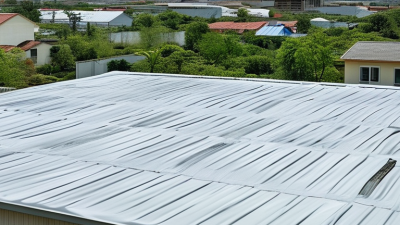
Plastic roof panels differ sharply in structure, light transmission, and weather resistance. Corrugated PVC panels are lightweight and economical, but they can become brittle under prolonged ultraviolet exposure. Polycarbonate sheets offer stronger impact resistance and clearer daylight. Twin-wall polycarbonate reduces heat transfer through its air cavity. Fiberglass-reinforced plastic provides stiffness, although its surface may lose clarity over time. Plastic Corrugated Panels remain practical for sheds, patios, and agricultural buildings where drainage and simple installation matter most.
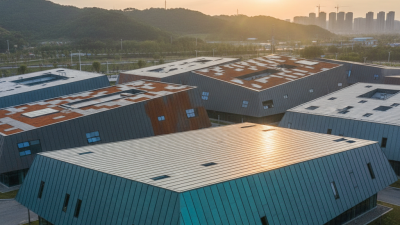
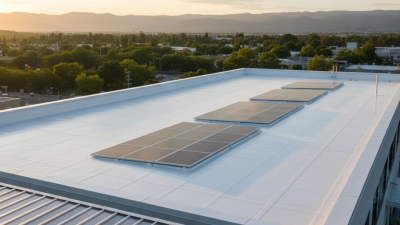
Material selection should follow the roof’s actual environment. The U.S. Department of Energy reports that reflective roofs can remain over 50°F cooler than conventional roofs under strong sunlight. That difference may reduce summer heat entering a lightly insulated structure. However, transparent panels can also create greenhouse-like heat buildup. I have seen this mistake repeatedly. A shaded, ventilated roof may outperform a brighter roof during hot afternoons.
Check panel thickness, UV protection, fire classification, thermal expansion, and fixing spacing before comparing prices. The International Building Code requires roof assemblies to meet defined fire-performance conditions, but local adoption varies. Industry reports from PlasticsEurope recorded global plastics production at 400.3 million tonnes in 2022, reminding buyers that material volume does not equal long service life. A thicker sheet is not automatically better. Dark colors absorb more heat, while poorly sealed overlaps invite leaks. Small details matter. Pay attention to washers, end closures, and movement gaps.
How to Choose Plastic Roof Panels in 2026?
Plastic Roof Panels: Types, Materials, and Core Differences
This chart compares the typical visible-light transmission range of clear plastic roofing panels. Acrylic and solid polycarbonate generally provide the highest daylight transmission, while multiwall polycarbonate, PVC, and FRP panels trade some transparency for lower weight, improved insulation, or lower cost.
Values are representative material ranges from standard clear roofing-sheet specifications; actual performance varies with thickness, surface texture, color, UV coating, and panel structure.
Key Performance Factors for Choosing Plastic Roof Panels
Selecting plastic roof panels in 2026 requires more than comparing price and appearance. Performance should guide the decision. Panels must tolerate local wind, snow, hail, and temperature changes. A panel that performs well in a mild climate may fail under severe ultraviolet exposure. Check documented impact ratings, fire classifications, and weathering tests. Ask for test dates and installation conditions. Reliable evidence matters more than attractive claims.
Light transmission also affects comfort and energy use. Clear panels can brighten a workshop, but they may increase summer heat. Tinted or multiwall panels often reduce glare and improve insulation. Measure the roof direction, room size, and ventilation before choosing. Thermal expansion needs attention. Panels can move several millimeters across a long roof run. Oversized holes, correct fasteners, and compatible washers help prevent cracking. Small details matter.
On site, I would inspect the roof pitch and drainage path first. Water collecting around overlaps can expose weak joints quickly. Condensation is another common problem, especially in unheated storage buildings. Ventilation may be necessary. Maintenance is not zero. Dust, branches, and aging seals still require inspection. I have seen durable panels fail because installers tightened fasteners too much. That mistake is easy to make. It is also difficult to reverse. Local building rules and certified installation guidance should control the final selection, even when the product appears suitable.
How Climate and Building Use Affect Panel Selection
How to Choose Plastic Roof Panels in 2026?
Climate should guide panel selection more than appearance. In intense sun, choose panels with reliable ultraviolet protection and suitable heat resistance. Dark panels can increase indoor temperatures. Clear panels admit daylight, but they may create glare and uncomfortable heat below.
Cold regions need panels that tolerate freezing temperatures, snow weight, and repeated expansion. Trapezoidal Plastic Panels often shed rain efficiently, yet their fasteners and overlaps still need careful inspection. Strong coastal winds demand secure fixing and corrosion-resistant accessories. Condensation can also damage stored goods, even when the roof does not leak.
Building use changes the practical answer. A greenhouse benefits from controlled light transmission and thermal performance. A workshop may need impact resistance and better sound control. Agricultural buildings require surfaces that tolerate moisture, dust, and regular washing. For a warehouse, panel spacing, daylight levels, and maintenance access deserve equal attention.
I have seen attractive panels fail because the supporting frame was underestimated. That mistake is expensive. Check span tables, local weather data, ventilation needs, and manufacturer test information before ordering. Leave room for thermal movement; rigid installation can cause cracking. Fire performance also matters, especially in occupied buildings, and local building requirements should be confirmed by a qualified professional.
No choice is perfect. Reconsider the cheapest option.
Comparing Panel Durability, Light Control, and Insulation
How to Choose Plastic Roof Panels in 2026?
Comparing Panel Durability, Light Control, and Insulation
Choosing Plastic Panels in 2026 means comparing more than price. Durability starts with structure, not appearance. In roof inspections, I look for UV protection, impact resistance, and compatible fasteners. A thin sheet may flex in wind, while a multiwall panel can resist dents better. However, thicker is not automatically stronger. Thermal expansion can loosen poorly spaced screws and create leaks. Leave movement room.
Light control changes comfort as much as visibility. Clear panels can brighten a workshop, but direct midday sun may overheat tools and work areas. Diffused panels soften glare and spread light across a ceiling. For bedrooms or storage rooms, lower-transmission Plastic Panels often feel calmer. Check the stated light-transmission percentage, then observe the roof direction and nearby shadows. A sample outdoors at noon tells more than a showroom lamp. My own mistake was choosing maximum brightness for a south-facing roof. The room looked attractive, yet became uncomfortable by afternoon.
Insulation depends on air spaces, thickness, and installation quality. Multiwall designs usually slow heat transfer better than solid sheets. Still, edge gaps and unsealed joints can defeat that advantage. Compare thermal ratings under the same test method. Check condensation guidance and temperature limits. Use proper washers, allow ventilation, and avoid compressing the flutes. Cold mornings expose weak choices quickly.
Evaluating Installation Methods, Maintenance, and Lifespan
Choosing plastic roof panels in 2026 starts with the installation method. Panels may be fixed over timber battens, metal purlins, or an existing roof frame. Each method changes strength, drainage, and repair access. Measure twice. Before drilling, check the manufacturer’s spacing limits and allow room for thermal movement. Plastic expands noticeably under direct summer heat. Use compatible washers, clean holes, and a roof pitch that prevents standing water. A rushed installation can shorten the panel’s useful life.
Maintenance is not optional. Inspect seals, overlaps, and fixing points after heavy rain or strong wind. Remove leaves with a soft brush and mild soap. Avoid abrasive pads, solvents, and pressure washers, which can cloud or scratch the surface. Look for yellowing, brittle edges, and hairline cracks near screws. Lifespan estimates often range widely because sunlight, hail, snow load, and ventilation differ by location. Ask for documented UV testing and fire performance data. Local building requirements still matter. I would not trust a sales estimate without checking the roof’s exposure and support structure.
Sound performance deserves careful attention. Standard hollow panels usually reduce rain noise less effectively than insulated assemblies. Sound Insulation Roof Panels can help, but the full system matters more than the panel name. Add sealed joints, insulation, and a suspended interior lining where quiet rooms are important. I once underestimated fastener vibration during heavy rain. The roof stayed dry, but the room sounded like a drum. That mistake changed my inspection checklist. A longer warranty cannot repair poor detailing. When comparing lifespan, include cleaning access, replacement difficulty, and the cost of removing damaged panels.
Reviewing Costs, Safety Standards, and Sustainable Options
How to Choose Plastic Roof Panels in 2026?
Reviewing Costs, Safety Standards, and Sustainable Options
Plastic roof panels can look inexpensive at the supplier’s counter. Installation, framing, fasteners, and future repairs change the real cost. I once compared only panel prices and underestimated labor by nearly one-third. That shortcut was poor judgment. Request a written estimate covering cutting, sealing, drainage, and replacement access. Thicker panels usually cost more, but they can reduce noise, cracking, and heat movement.
Safety deserves careful checking. Select panels rated for your region’s wind, snow, hail, and fire requirements. Confirm the classification with local building authorities, not only a sales sheet. Look for tested impact resistance and documented ultraviolet protection. Polycarbonate, PVC, and acrylic panels behave differently under heat and cold. Expansion gaps matter. Without them, fasteners may loosen or panels may buckle.
Sustainability is more complicated than a recycled-content label. Ask whether the material contains recycled content, can be recycled locally, and has a realistic service life. A durable panel replaced once may create less waste than a cheaper panel replaced several times. Check transport distance and packaging too. My own choice would still depend on climate, roof pitch, and ventilation. I would also inspect a sample after sun exposure, because glossy showroom pieces can hide future discoloration. Some assumptions need challenging.
Round Wave Resin Corrugated Roof Sheet 1130: A Durable PVC Roofing Solution from China Suppliers
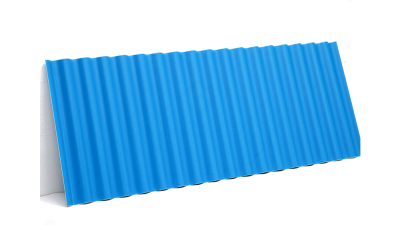
Round Wave Resin Corrugated Roof Sheet 1130 is a durable PVC roofing solution designed for residential, agricultural, commercial, and light industrial buildings. Manufactured from high-quality PVC, UPVC, or synthetic resin, the sheet combines a lightweight structure with reliable strength. Its round-wave corrugated profile improves rigidity, supports efficient rainwater drainage, and helps reduce the risk of water accumulation on the roof. With a practical width of 1130 mm, it can provide convenient coverage while minimizing installation effort and material waste.
Supplied by experienced China manufacturers, this corrugated resin roof sheet offers excellent resistance to rain, sunlight, humidity, corrosion, and changing temperatures. Compared with traditional metal or fiber cement roofing, it is easier to handle, less prone to rust, and suitable for projects requiring economical long-term performance. The panels can be installed with common roofing accessories and are available in different colors and thicknesses to meet varied design and construction requirements. Homeowners, contractors, and building developers can use them for workshops, warehouses, farm buildings, canopies, patios, and other outdoor structures.
FAQS
: Common options include corrugated PVC, solid polycarbonate, twin-wall polycarbonate, and fiberglass-reinforced plastic. Each suits different roof conditions.
Polycarbonate usually handles impacts better than PVC or fiberglass-reinforced plastic. It may suit areas exposed to hail or falling branches.
Yes. They work well for sheds, patios, and agricultural buildings. Their light weight supports simpler installation.
Long ultraviolet exposure can make PVC brittle. Check for UV protection before installation.
No. Clear panels can create greenhouse-like heat buildup. Ventilation and shading may matter more than brightness.
Twin-wall polycarbonate uses an air cavity to slow heat transfer. Its performance still depends on sealed edges and correct installation.
Consider roof direction, room use, and nearby shadows. A sample outdoors at noon gives more useful information.
Not necessarily. A bright south-facing roof may cause uncomfortable afternoon heat. Diffused panels can reduce glare.
Check washer quality, fixing spacing, end closures, overlap sealing, and movement gaps. Small details prevent larger leaks.
No. Strength also depends on structure, UV protection, fasteners, and thermal movement. Thicker is not always better.
Compare thermal ratings using the same test method. Review condensation guidance, temperature limits, and edge-sealing requirements.
Compressing flutes or fixing panels too tightly can restrict movement. Temperature changes may loosen screws or cause leaks.
Conclusion
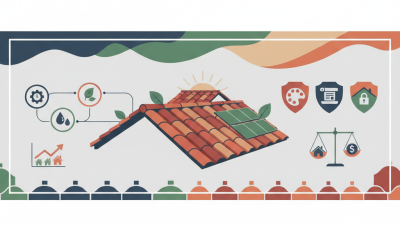
Choosing Plastic Roof Panels in 2026 requires more than comparing appearance and price. The main options differ in material, structure, strength, transparency, insulation, and resistance to weathering. Selection should begin with the building’s purpose and local climate. Factors such as intense sunlight, heavy rain, snow, wind, temperature changes, and humidity can influence the ideal panel type. A suitable choice should balance durability, light transmission, heat control, impact resistance, and long-term performance.
Installation method, maintenance needs, expected lifespan, and repair convenience are also important. Some panels may be easier to cut and install, while others provide stronger protection or better insulation. Buyers should review total costs, including supporting structures, fasteners, upkeep, and replacement risks, rather than focusing only on the initial purchase price. Safety requirements, fire performance, responsible material selection, recyclability, and energy efficiency should also be considered. By evaluating these factors together, property owners can choose Plastic Roof Panels that offer reliable protection, practical performance, and sustainable value for their specific building needs.