Leave Your Message
0%

When you're figuring out which trapezoidal plastic panels to go with in 2026, it’s about more than just comparing prices or surface colors. The shape and profile of the panels really influence how well water drains off, how far they can span, how they’re attached, and how they let light in. You might get a panel that looks fine when it arrives, but after a few heat cycles, it could warp or distort — and that’s not what you want.

The industry data backs this up. PlasticsEurope reported that in 2023, the world produced about 413.8 million tonnes of plastic — a huge number that shows just how much stuff is out there and how widely plastics are used. And according to the 2024 Polycarbonate Market Size, Share & Trends Analysis from Grand View Research, construction is one of the biggest areas where polycarbonate materials are used. But here’s the thing — those reports are helpful, sure. Still, they don’t replace the need for testing the materials for your specific project. For example, a roofing panel exposed to strong UV rays needs different protection than one inside a cool warehouse.

Dr. Chris DeArmitt, a respected plastics expert and founder of Phantom Plastics, points out something really important: “Plastic isn’t just one material; it’s thousands.” And that’s a crucial idea when choosing panels. PVC, polycarbonate, and fiberglass-reinforced plastic might all look similar in shape, but their impact strength, thermal expansion, fire behavior, and lifespan can be totally different. So it pays to pay attention to the details. Before you order, dig into the technical datasheets, check what kind of UV stabilization they claim, look at load tables, warranty info, and compliance certificates. If wind or snow loads are a concern, it’s wise to consult an engineer about support spacing. And don’t just rely on the color shown in catalogs — actually see samples in daylight, because sometimes the real thing isn’t quite as perfect as it looks online.

All in all, this isn’t just about picking a panel — it’s about making practical choices. This guide is here to help you navigate those decisions, but I’ll be honest — no single panel is going to be perfect for every climate, every building, or every budget. A little flexibility and careful planning go a long way.
How to Choose Trapezoidal Plastic Panels in 2026?

Understanding Trapezoidal Plastic Panel Types and Applications

How to Choose Trapezoidal Plastic Panels in 2026?

Understanding panel types starts with the intended application. A Plastic Trapezoidal Roof Tile made from polycarbonate offers strong daylight transmission and impact resistance. It suits workshops, patios, agricultural buildings, and warehouse extensions. PVC panels are lighter and usually more economical. They work well for simple shelters and low-traffic structures. Fiberglass-reinforced panels provide useful chemical resistance. However, their surface may weather differently over time.

Profile depth also affects performance. Deeper ribs generally improve stiffness across wider spans. Opaque panels reduce glare and heat gain, while translucent panels can lower daytime lighting demand. The International Energy Agency reports that buildings consume about 30% of global final energy. This supports daylighting strategies, but roof transparency alone cannot solve overheating. Orientation, ventilation, and insulation still matter. Small details matter.

Material durability deserves careful checking. The OECD’s Global Plastics Outlook reported 353 million tonnes of plastic waste in 2019, with only 9% recycled. Therefore, buyers should ask about recycled content, service life, and end-of-life handling. UV stabilizers, fire classification, thermal movement, and fastener compatibility should appear in technical documents. ASTM or equivalent test evidence is more reliable than vague claims.

In site inspections, premature leaks often come from incorrect washers or over-tightened screws. That mistake is easy to miss. Allow expansion at overlaps and use the manufacturer’s fixing pattern. I would also question very cheap panels. Their first-year appearance may be convincing, but brittleness, fading, and condensation can appear later. Selection is not perfectly predictable, especially in harsh climates.

How to Choose Trapezoidal Plastic Panels in 2026?

Understanding Trapezoidal Plastic Panel Types and Applications

The chart shows indicative commercial thickness ranges for common translucent trapezoidal plastic panel types. Actual specifications vary according to profile, span, loading, climate, fire requirements, and installation method. Polycarbonate is commonly selected for daylighting and impact resistance, PVC for economical lightweight roofing, and FRP for corrosion-resistant industrial and agricultural applications.

Assessing Panel Materials, Profiles, and Structural Performance

How to Choose Trapezoidal Plastic Panels in 2026?

Assessing Panel Materials, Profiles, and Structural Performance

Material selection should match the building’s exposure, not just its purchase price. Polycarbonate panels offer strong impact resistance and useful daylight transmission. PVC panels can reduce costs, but temperature changes may increase movement. Fiberglass-reinforced plastic can perform well in corrosive environments. Check the resin quality, UV protection, thickness, and fire-performance documentation before ordering.

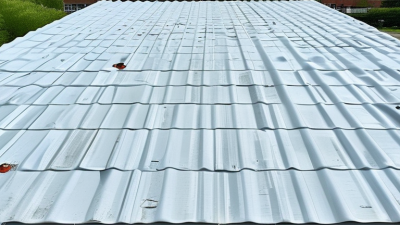
Profile geometry controls more than appearance. A deeper trapezoidal rib usually improves stiffness and drainage, especially on longer roof runs. However, deeper profiles may require compatible overlaps and carefully selected fasteners. For a Corrugated Trapezoidal Plastic roof, measure the roof pitch, support spacing, wind exposure, and expected maintenance access. Small gaps around fasteners can become visible leaks after several seasons.

Structural performance needs evidence. Request load tables, span limits, thermal expansion data, and installation instructions from the supplier. Compare those figures with local engineering requirements and the actual support system. Do not rely on a panel’s thickness alone. A thick sheet with weak ribs may underperform a thinner, better-designed profile. I would also inspect sample edges and fastening points, where cracking often begins. Some assessments still overlook summer expansion. That mistake deserves a second look. A modest allowance for movement can protect the roof, but excessive movement may loosen seals and create noise. Testing one small section first is often wiser than covering the entire building.

Choosing the Right Dimensions, Thickness, and Load Capacity

How to Choose Trapezoidal Plastic Panels in 2026?

Choosing the Right Dimensions, Thickness, and Load Capacity

Choosing trapezoidal plastic panels starts with accurate measurements, not a quick guess. Measure the roof or wall span, support spacing, slope, and edge exposure. Include the overlap required between adjacent panels. A small measuring error can create leaks or awkward cuts.

Panel width should match the purlin layout and installation direction. Longer panels reduce joints, but they also expand more with temperature changes. Allow movement at fixing points where the manufacturer’s instructions require it. I have seen panels installed tightly against rigid frames, then distorted after a hot afternoon. It looked secure at first.

Thickness affects stiffness, impact resistance, and service life. However, thicker plastic does not automatically provide higher load capacity. Rib depth, panel material, support spacing, and temperature all matter. Check tested load tables for both uniform loads and concentrated loads. Snow, maintenance foot traffic, wind suction, and stored equipment may produce different stresses. Never treat them as one number.

Use a suitable safety margin, and confirm whether the stated capacity includes deflection limits. A panel may carry a load but still sag visibly. That distinction matters. My own early estimates were too optimistic because I ignored fastener spacing and edge zones. Review those details carefully. A local engineer should verify unusual spans, heavy snow regions, or public structures.

Comparing Light Transmission, Color, and Surface Treatments

How to Choose Trapezoidal Plastic Panels in 2026?

Comparing Light Transmission, Color, and Surface Treatments

When choosing Plastic roof panels, light transmission affects comfort, heat, and electricity use. Clear panels can brighten a workshop, but they may create harsh glare at noon. Opal or tinted panels soften daylight and reduce visual strain. In practical roof inspections, I compare samples outdoors, not only under showroom lighting. A sample may look neutral indoors, then appear noticeably blue or bronze beneath a strong summer sky.

Color also changes how spaces feel. Light grey can reduce glare while preserving useful brightness. Darker colors offer stronger shading, but they may increase surface temperature. Check the panel’s tested transmission range, not vague words such as “high clarity.” Surface treatments deserve equal attention. A textured finish can scatter light and hide minor dust. Anti-drip coatings may help in humid buildings, although their performance depends on cleaning and ventilation. No treatment lasts forever. That detail is easy to overlook.

Tips: Place three samples beside the proposed roof area at morning and midday. Record glare, shadow quality, and interior temperature. Ask for test data covering light transmission, UV resistance, and coating durability. Confirm installation guidance, because incorrect fastener pressure can distort the panel. I once favored the brightest sample and regretted it after seeing the summer glare. A quieter, softer panel often works better.

Evaluating Climate Resistance, Fire Safety, and Service Life

How to Choose Trapezoidal Plastic Panels in 2026?

Climate resistance should be judged from local exposure, not brochure claims. In hot regions, ultraviolet radiation can cause fading, brittleness, and gradual loss of impact strength. Choose panels with documented UV protection and suitable temperature limits. Check thermal expansion carefully. Long sheets can move several millimeters across a hot roof. Without sliding fasteners or proper gaps, stress may create cracks around fixing points.

Fire safety needs independent evidence. Ask for the panel’s tested reaction-to-fire classification, smoke data, and installation conditions. A panel may perform differently when combined with insulation, membranes, or supporting structures. Local building requirements also vary. Never treat a general “fire resistant” statement as proof. That wording is too vague. Keep the test report current and traceable.

Service life depends on more than plastic chemistry. Thickness, roof pitch, drainage, fastener placement, and cleaning practices all matter. In practical inspections, blocked gutters often cause more trouble than expected. Look for chalking, edge damage, loose fixings, and water stains at least twice yearly. Hail exposure deserves extra attention. A thicker panel can resist impact better, but it may still fail after repeated strikes. I would compare warranty terms with realistic climate data, not optimistic assumptions. Some projects also need replacement access planned from the beginning. That detail is easy to miss.

Checking Installation Methods, Maintenance Needs, and Total Cost

How to Choose Trapezoidal Plastic Panels in 2026?

Installation determines much of a panel’s real value. Plastic Corrugated Panels should match the roof pitch, purlin spacing, wind exposure, and expected temperature range. Follow the manufacturer’s fixing pattern, not visual judgment. Use corrosion-resistant screws with sealing washers. Keep overlaps aligned against prevailing rain. Leave room for thermal movement. The International Energy Agency reports that buildings consume about 30% of global energy, so poorly sealed joints deserve attention. Small gaps can create noticeable drafts.

Maintenance should be simple, but it is not maintenance-free. Inspect fasteners, washers, overlaps, and UV damage twice yearly. Remove leaves with water and a soft brush. Avoid harsh solvents; they may cloud or weaken plastic. The U.S. Department of Energy states that air sealing can reduce heating and cooling energy use by 10–20% in existing homes. That figure does not guarantee the same result for every roof. Site conditions matter. I have seen cheap panels fail early because installers overtightened screws.

Compare total cost, not only the invoice. Include trims, sealants, cutting waste, labor, access equipment, cleaning, and replacement risk. The National Association of Home Builders’ 2024 cost study shows construction expenses form the largest share of a home’s selling price, making installation efficiency important. A lower-priced panel may require closer supports or more repairs. I would request a written maintenance schedule and documented fire, weather, and dimensional-performance data. Payback estimates can be imperfect. That is worth admitting.

FAQS

Which material suits trapezoidal plastic panels best?

Choose based on exposure, not price alone. Polycarbonate handles impacts and passes useful daylight. PVC can cost less but moves more with temperature. Reinforced fiberglass suits corrosive areas. Check UV protection, resin quality, thickness, and fire documents.

Why does trapezoidal profile depth matter?

Deeper ribs usually improve stiffness and drainage. They can help on longer roof runs. However, deep profiles may need matching overlaps and fasteners. Appearance is only one factor.

What structural documents should I request?

Request load tables, span limits, thermal expansion data, and installation instructions. Compare them with local engineering requirements. Panel thickness alone proves very little. Rib design matters too.

How should I inspect a sample panel?

Examine the edges, ribs, and fastening points closely. Cracks often begin around screw holes. Check whether the surface feels brittle. A small sample can reveal weaknesses before installation.

How much space should allow for thermal movement?

Follow the documented movement allowance for the selected material. Summer expansion can surprise installers. Too little space may cause stress. Too much movement may loosen seals and create noise.

What installation details prevent leaks?

Match panels with the roof pitch, support spacing, wind exposure, and temperature range. Use corrosion-resistant screws with sealing washers. Keep overlaps aligned against prevailing rain. Do not tighten screws excessively.

How often should plastic roof panels be maintained?

Inspect fasteners, washers, overlaps, and UV damage twice yearly. Remove leaves using water and a soft brush. Avoid harsh solvents. They may cloud or weaken plastic. Maintenance is simple, not optional.

What costs should be included before choosing panels?

Include trims, sealants, cutting waste, labor, access equipment, cleaning, and replacement risk. A cheaper panel may need closer supports. Repairs can erase the initial saving. Payback estimates remain uncertain.

Is testing one roof section worthwhile?

Yes, especially when site conditions are uncertain. Test overlaps, fastener spacing, drainage, and movement first. Watch the section after rain and temperature changes. Full coverage can wait.

Conclusion

Choosing Trapezoidal Plastic Panels in 2026 requires balancing application needs, structural performance, appearance, durability, and long-term value. Start by identifying the panel type and intended use, such as roofing, wall cladding, partitions, agricultural buildings, or light-transmitting enclosures. Compare material composition and profile design, then select suitable dimensions, thickness, and load capacity according to span, wind, snow, impact, and support conditions. Panel weight and connection strength should also be considered to ensure safe and efficient installation.

Light transmission, color, and surface treatments influence comfort, energy use, privacy, and visual appeal. For demanding environments, evaluate resistance to ultraviolet exposure, moisture, temperature changes, chemicals, and corrosion, as well as fire performance and expected service life. Finally, review installation methods, fastening requirements, expansion allowances, cleaning procedures, and replacement needs. A complete cost comparison should include materials, accessories, labor, maintenance, and potential energy savings, helping users choose a reliable panel solution rather than focusing only on the initial purchase price.
Olivia

Olivia

Olivia is a dedicated marketing professional with a profound expertise in the roofing industry, particularly in high-performance resin roofing and cladding systems. With a background rooted in the advanced technologies of ASA/PVC/UPVC composites, she plays a crucial role in enhancing brand......
Previous What Are the Best Roof Cladding Panels?