Leave Your Message
Picking the right Vinyl Corrugated PVC sheets isn’t just about choosing a color or style — it can really influence how durable your project turns out, how it looks, and even how much you’ll spend on installation. Honestly, it’s rarely a straightforward decision. Things like roof pitch, wind, sunlight, moisture, and fixing methods all come into play. For example, a sheet that works great for a small garden shed might totally fall short on an exposed workshop. That kind of difference really deserves some careful thought.
Most experienced installers start by considering the location of the project and the type of panel profile needed. They’ll check the thickness, wave depth, overlap needs, and support spacing before placing an order. Good product info should tell you about weather resistance, temperature limits, how to cut the sheets, and which fasteners to use. Reliable manufacturers usually give consistent dimensions and practical tips for installation. Little details matter a lot here—screwing something in the wrong spot or having inadequate overlap can lead to leaks, especially after heavy rain.
These sheets are super handy for things like sheds, carports, patio covers, farm buildings, and even lighter wall applications. Their low-maintenance surfaces mean you won’t need to repaint as often, and since they’re lightweight, handling and installing them becomes much easier. But, let’s be real — they’re not a one-size-fits-all solution. If you’ve got high heat, heavy impacts, or unusual loads, you might need to look at different materials. That’s where honest evaluation really pays off. A lot of buying guides tend to make the choice seem easy, but in real projects, it’s not always so simple. Even measuring twice isn’t foolproof—mistakes can still happen. Things like product quality, your local climate, and the experience of your installer can all have a big impact.
If you’re after a decorative exterior instead, check out [Board And Batten Siding Vinyl](https://www.jberoof.com/custom-high-quality-board-and-batten-siding-vinyl-factory-suppliers). It can give a really different visual effect, but keep in mind—it’s not the same as roofing sheets, so don’t compare them directly without considering what you actually need. This guide is here to help you think about these factors carefully, so you can choose with more confidence and hopefully avoid any costly surprises down the line.
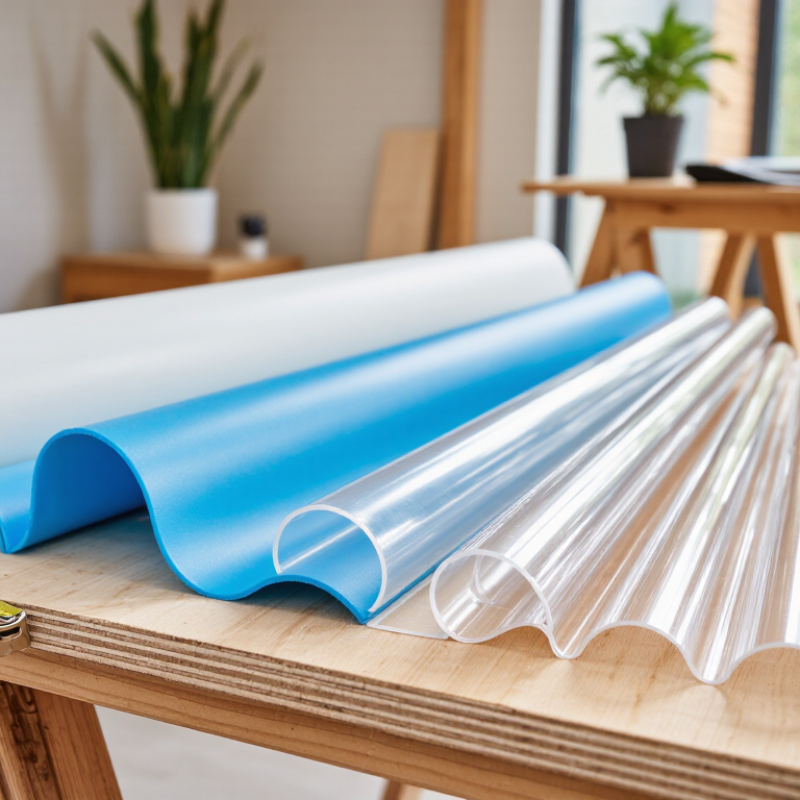
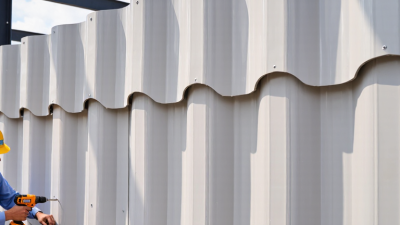
Choosing vinyl corrugated PVC sheets starts with the application, not the color or lowest price. Roofing requires panels with suitable thickness, UV resistance, and weather stability. Corrugated PVC Roof Sheets can reduce water pooling when installed on a proper slope. Check the recommended overlap, fixing pattern, and support spacing before installation. A panel that feels strong in the store may flex under wind or repeated temperature changes.
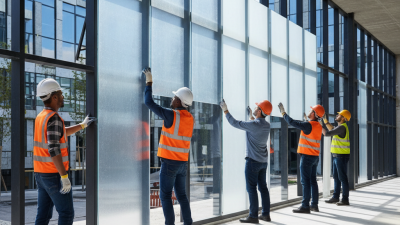
Cladding has different priorities. Look for consistent dimensions, clean edges, and resistance to moisture, stains, and routine cleaning. Ventilated gaps can help control condensation behind the panels. I have found that installers sometimes focus on appearance and overlook drainage details. That mistake can cause discoloration or trapped moisture months later. Review the local building requirements, especially for fire performance and wind exposure.
Signage needs a stable surface and a finish that accepts printing, paint, or adhesive film. Test a small area first. Corrugation can distort lettering and create shadows under uneven lighting. Temporary barriers need light weight, visible colors, and reliable fastening. They should remain stable around pedestrians and changing weather, without blocking required access routes. Measure the site carefully. Include space for posts, overlaps, and movement. Material selection is rarely perfect on the first attempt, so record what worked and adjust the next installation.
| Application | Primary Requirements | Typical Sheet Thickness | Recommended Profile | Important Selection Factors | Limitations and Installation Notes |
|---|---|---|---|---|---|
| Roofing | Weather resistance, drainage, low maintenance, and adequate support for wind and snow conditions. | 0.8–1.5 mm for lightweight covers; thicker or reinforced systems may be needed for higher exposure. | Corrugated or multi-wall corrugated profile with sufficient rib depth for stiffness. | Roof pitch, support spacing, UV protection, temperature range, impact resistance, and translucent or opaque finish. | PVC sheets are generally intended for non-structural roofing. Do not use them as a substitute for structural decking. Follow local wind, snow, fire, and fixing requirements. |
| Cladding | A decorative, washable exterior surface with resistance to moisture, sunlight, and everyday impacts. | 0.7–1.2 mm for wall applications, depending on support spacing and exposure. | Shallow corrugation for appearance; deeper corrugation where improved stiffness is required. | Color stability, surface texture, panel overlap, expansion allowance, cleaning requirements, and compatibility with the substrate. | Provide ventilation or drainage where moisture can collect. Avoid excessive fastening pressure, which can distort PVC and restrict thermal movement. |
| Signage | A smooth, printable surface, good color contrast, low weight, and easy cutting or drilling. | 0.5–1.0 mm for temporary or small signs; thicker sheets are preferable for larger freestanding panels. | Fine corrugation or a shallow profile for a flatter visual surface and easier graphics application. | Print or film compatibility, readability, edge finish, mounting method, wind exposure, and expected service duration. | Corrugations can affect image quality and adhesive contact. Test inks, laminates, and mounting tapes on a sample before production. |
| Temporary Barriers | Fast installation, visibility, low weight, weather tolerance, and sufficient rigidity for short-term separation. | 0.8–1.5 mm, subject to panel size, frame design, and wind conditions. | Medium or deep corrugation to improve stiffness without adding substantial weight. | Visibility, high-contrast color, edge safety, reusable fixing points, portability, and resistance to rain and sunlight. | Use a stable frame or weighted base. Barrier performance depends on the complete assembly, not the sheet alone. Secure panels against wind uplift. |
| General Project Check | Confirm the environment, service life, dimensions, support layout, and required appearance before ordering. | Select the minimum thickness that satisfies the project load, handling, and durability requirements. | Greater corrugation depth normally improves bending stiffness, but may reduce printability or visual flatness. | Check UV stabilization, temperature changes, chemical exposure, fire regulations, color, transparency, and warranty conditions. | Allow for thermal expansion, use compatible washers and fasteners, pre-drill where appropriate, and verify all local code requirements. |
Note: Thickness ranges are common planning values for lightweight vinyl corrugated PVC applications. Final selection should be verified using the sheet supplier’s technical data, project dimensions, support spacing, local climate, and applicable building or safety regulations.
Start with the support span, expected load, and wind exposure. Short spans may suit 0.8–1.0 mm sheets. Wider spans often need 1.5–2.0 mm sheets and closer framing. Thickness alone is not enough.
Consider 2.0–3.0 mm sheets for exposed walls, roof edges, and strong gust conditions. Heavy snow or maintenance access may need support beneath the sheet. A thicker panel cannot replace weak framing.
Yes. Taller ribs usually provide better stiffness across wider gaps. They may be harder to overlap neatly. Low profiles can suit compact roofs with closely spaced supports. Keep the roof slope in mind.
Pitch is the distance between neighboring ribs. A wider pitch creates fewer drainage channels across each sheet. A narrow pitch offers more paths for rainwater. Debris may collect between narrow ribs.
Check roof fall, rainfall, overlap direction, gutter width, and sheet alignment together. A shallow slope can leave water standing. Small errors become obvious during heavy rain. Very obvious.
Support spacing affects stiffness, sagging, vibration, and allowable span. Reduce the span when conditions are uncertain. Check technical data for permitted span and deflection. Closer framing is often safer.
Rushed measurements can leave edge spans longer than central spans. Poorly positioned fasteners may increase movement and vibration. Avoid overtightening fasteners. Allow room for heat expansion.
Yes, build a small test panel first. Watch for noise, sagging, water entry, and poor alignment. Inspect leaves and ponding marks after rainfall. I once underestimated debris buildup. That mistake changed my maintenance planning.
Choosing Vinyl Corrugated Pvc Sheets begins with clearly defining the project’s purpose, whether for roofing, wall cladding, signage, or temporary barriers. Select a thickness between 0.8 and 3.0 mm by considering the unsupported span, expected loads, weather exposure, and wind conditions. Corrugation profiles should also be compared carefully, focusing on rib height, pitch, and the sheet’s ability to channel rainwater efficiently. These factors influence strength, coverage, installation requirements, and long-term performance.
Before purchasing, verify the PVC compound classification according to ASTM D1784 and review tensile and flexural data tested under ASTM D638 and ASTM D790. For outdoor or industrial applications, evaluate resistance to ultraviolet exposure and chemicals using ISO 4892-3 and ASTM D543. A suitable sheet should provide the right balance of rigidity, durability, drainage, and environmental resistance for the intended service conditions, while remaining practical to handle and install.