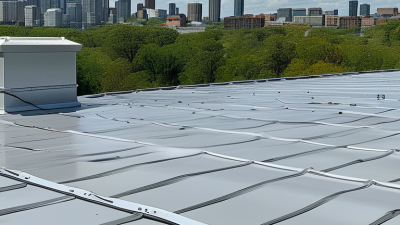
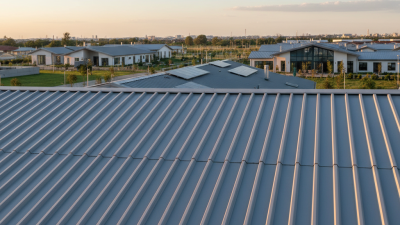
In the constantly changing world of building materials, Plastic Panels are really starting to grab people's attention. I mean, Dr. Emily Carter, who's quite the expert in polymer tech, actually said, “The future of sustainable building often relies on innovative uses of Plastic Panels.” That’s pretty telling, right? It highlights just how versatile these panels are in modern architecture.
Looking ahead to 2026, folks around the world who are buying these panels have a ton of options to choose from. There’s been so much innovation—things like energy-efficient designs and super durable options that can handle pretty rough weather. But honestly, with so many choices out there, it can get pretty overwhelming. Buyers really need to think about what they actually need, trying to strike a balance between quality and cost. Sure, lots of companies have great-sounding products, but sadly, not all of them deliver on their promises.
As demand for plastic roof panels is expected to grow, it’s more important than ever to know what to look for. The right panels not only boost energy efficiency but also help cut down on environmental impact. Still, the tricky part is figuring out which products are the *best* fit when there are so many options around. Staying informed and making smart decisions is totally key right now.
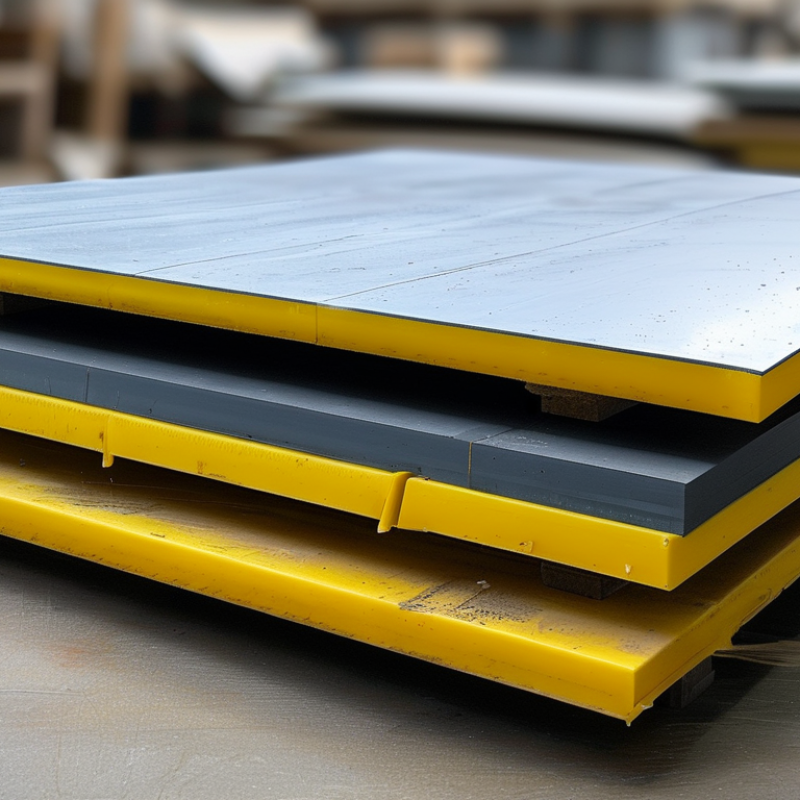
Future Trends in Plastic Panel Manufacturing for 2026
The landscape of plastic panel manufacturing is evolving rapidly. In 2026, we expect to see innovations driven by sustainability and technology. Manufacturers are focusing on creating lightweight yet durable materials. This shift boosts efficiency in transportation and installation. As energy costs rise, energy-efficient production methods are becoming vital.
Tips for buyers: Prioritize panels made from recycled materials. They reduce environmental impact and often offer similar performance. Investing in research is key. Understand the specifications that meet your project needs.
Another trend is customization. Clients want panels tailored to their specific requirements. This could include unique colors, thicknesses, or finishes. However, customization may lead to longer lead times. It's essential to communicate deadlines clearly.
Plastic Corrugated Panels will likely dominate market discussions in 2026. They are versatile and cost-effective. Keep an eye on suppliers that innovate while maintaining quality. Quality is crucial, but balancing it with cost can be challenging. Reflect on what matters most to your projects as you explore options.
Key Features to Look for in Plastic Panels
When selecting plastic panels, buyers should prioritize specific features that enhance functionality and durability. One critical aspect is the panel material. High-density polyethylene (HDPE) is favored for its toughness and resistance to various chemicals. Nearly 70% of industry leaders recommend it for outdoor applications due to its UV resistance and longevity. Trapezoidal Plastic Panels often use this material, making them suitable for construction environments.
Another feature to consider is thermal insulation. Effective panels can reduce energy consumption significantly. According to a recent study, buildings utilizing insulated plastic panels can achieve up to 30% better energy efficiency. Additionally, panels with enhanced sound insulation properties are increasingly in demand. 25% of architects reported that noise reduction was a key factor in selecting materials for projects.
Buyers must also assess the weight and ease of installation. Lightweight panels can streamline the construction process. However, this may lead to a compromise in structural integrity. Striking a balance between weight and strength is vital. As we look toward 2026, the focus on sustainable materials adds another layer of complexity. Innovative solutions will likely emerge, but the competition will require ongoing evaluation of existing offerings.
Top Global Suppliers of Plastic Panels
As the demand for lightweight and durable materials rises, Plastic Panels are gaining traction. The global market for plastic panels is projected to grow at a CAGR of 5.6%, reaching around $60 billion by 2026. Various industries, from construction to automotive, are looking for reliable suppliers of plastic panels. Suppliers should prioritize innovation and sustainability in their offerings, as these factors significantly impact purchasing decisions.
When selecting suppliers, look for companies that emphasize quality control. Many lead suppliers are investing in advanced manufacturing processes to enhance product durability. Research shows that panels featuring UV resistance and thermal stability are preferred in diverse environments. Transparency in sourcing materials also builds trust among buyers. Make sure suppliers can provide certifications and compliance data for their plastic panels.
Tips for choosing the right supplier: Check industry reviews and case studies. Engage with suppliers willing to provide samples before bulk purchasing. Remember to assess their customer service and support for timely responses. Establishing a partnership with the right supplier can streamline your operations and enhance product reliability, ensuring long-term success in the competitive market of plastic panels.
Application Areas of Plastic Panels in Various Industries
Plastic panels are increasingly utilized across various industries for their versatility and durability. In construction, they are favored for lightweight structures, energy efficiency, and ease of installation. According to a recent report by Grand View Research, the global plastic panel market is projected to reach $100 billion by 2026, driven by rising demand in the building and construction sectors.
In automotive, plastic panels help reduce vehicle weight, enhancing fuel efficiency. The industry adopts materials like polycarbonate and acrylic for dashboards and trims. Data from the International Plastic Panel Association indicates that the automotive segment is expected to grow at a CAGR of 5.8% over the next three years. This trend reflects the ongoing shift towards lightweight materials in vehicle design.
**Tip:** Consider how different plastic types can improve your project's efficiency and sustainability. Choosing the right panel can affect not only performance but also cost. Plastic panels offer a balance of aesthetics and functionality, making them ideal for both industrial and commercial use.
In the electronics sector, plastic panels streamline production and offer safer housing for sensitive components. They are becoming standard in consumer electronics, driven by innovations in design. Industry trends suggest a need for flexibility in sourcing materials. Adapting to changing regulations and standards is crucial for success.
**Tip:** Stay informed about material advancements and compliance requirements. This awareness will help navigate the complexities of diverse applications, ensuring optimal performance and durability.
Top 10 Plastic Panels for Global Buyers in 2026
| Panel Type |
Material |
Thickness (mm) |
Application Area |
Market Demand (2026 Forecast) |
| Polycarbonate Panels |
Polycarbonate |
4 |
Construction, Automotive |
High |
| Acrylic Panels |
Acrylic |
5 |
Retail, Signage |
Medium |
| PVC Panels |
Polyvinyl Chloride |
3 |
Interior Design, Furniture |
High |
| PET Panels |
Polyethylene Terephthalate |
2 |
Packaging, Electronics |
Medium |
| HPL Panels |
High-Pressure Laminates |
10 |
Commercial Spaces |
High |
| FRP Panels |
Fiberglass Reinforced Plastic |
6 |
Marine, Industrial |
Medium |
| Composite Panels |
Metal and Plastic Laminates |
8 |
Architecture, Exterior Building |
High |
| Solid Surface Panels |
Acrylic and Polyester |
12 |
Countertops, Bathrooms |
High |
| Mesh Panels |
Polymeric Mesh |
1 |
Agriculture, Greenhouses |
Medium |
| WPC Panels |
Wood Plastic Composite |
15 |
Decking, Landscaping |
High |
Sustainability and Eco-Friendly Options in Plastic Panels
The demand for sustainable materials is rising. Plastic panels, once seen as harmful, are evolving. Many manufacturers now focus on eco-friendly options. This shift is crucial as society grows more aware of environmental issues.
Recycled plastics are gaining traction. These materials reduce waste and carbon footprints. Some panels mix recycled content with bio-based materials. Such combinations can enhance performance while remaining eco-conscious. Buyers must consider the sourcing and processing of these materials for true sustainability.
Challenges persist in standardizing eco-friendly practices across the industry. Some products may carry hidden environmental costs. Transparency in sourcing is vital. Buyers should seek certifications to ensure that products meet sustainability goals. The journey toward fully sustainable plastic panels will require ongoing effort and collaboration among stakeholders.
Top 10 Plastic Panels for Global Buyers in 2026
This chart displays the estimated global market share distribution of the top 10 plastic panel types for 2026, including their sustainability ratings and eco-friendly options.
Comparative Analysis of Plastic Panel Materials
The market for plastic panels is evolving rapidly. Each type of plastic panel offers unique advantages and disadvantages. For example, polycarbonate panels are strong and impact-resistant. However, they can be more expensive compared to other materials.
Acrylonitrile Butadiene Styrene (ABS) panels are lightweight and cost-effective. They are easy to work with but may not hold up as well under extreme conditions. Polyvinyl Chloride (PVC) panels are popular for their versatility and durability. Yet, their environmental impact raises concerns over sustainability.
Most buyers may find themselves facing a dilemma. Choosing the right panel requires a balance between cost, durability, and environmental considerations. Each material has its strengths, but also its drawbacks. A thorough analysis of these factors is essential for informed decision-making. Engaging with experts in the field helps in navigating this complex landscape.
Market Demand Forecast for Plastic Panels in 2026
The demand for plastic panels is projected to rise significantly by 2026. Recent market reports suggest an annual growth rate of around 5% in various regions. The construction sector will drive much of this demand, particularly in residential and commercial buildings. Key factors include sustainability and lightweight materials.
PVC Roofing Panels
are gaining popularity due to their durability and cost-effectiveness. They provide excellent weather resistance and insulation capabilities. Manufacturers are expected to innovate further, improving their aesthetic appeal and functionality. Industry reports indicate that consumers show increasing preference for eco-friendly materials.
However, challenges remain. The recycling of plastic panels still poses concerns. Many facilities lack adequate systems for processing these materials. Moreover, some companies struggle with quality assurance in production. This inconsistency can impact market stability. Addressing these issues will be crucial for sustained growth. The shift towards circular economy practices presents both an opportunity and a challenge.
Innovative Smart Lock Ridge Caps for Enhanced Stability in AP Hollow Roofing Panels: A Guide to Top Suppliers and Solutions
The innovative Smart Lock Ridge Cap plays a critical role in enhancing the performance and aesthetic appeal of AP hollow roofing panels. Designed specifically for these systems, this advanced roofing accessory ensures a tight seal at the roof ridge, effectively protecting against water infiltration. By integrating seamlessly with the smart lock structure of the panels, it provides not only practicality but also a modern look, elevating the overall design of any roofing project.
Manufactured in state-of-the-art facilities, these ridge caps are synonymous with quality and durability. They undergo rigorous testing to meet the highest standards, ensuring that they can withstand the elements while maintaining their structural integrity. This means homeowners and builders can rely on the strength and performance of the Smart Lock Ridge Cap, knowing it will contribute to the long-term viability of the roofing system.
Choosing the right ridge cap is pivotal for anyone looking to invest in AP hollow roofing panels. By selecting these innovative components, you can enhance the stability of your roofing structure while also achieving a contemporary aesthetic that complements any architectural style. This guide serves as an essential resource for those seeking reliable suppliers and effective solutions for their roofing needs.
FAQS
: High-density polyethylene (HDPE) is recommended due to its toughness and UV resistance.
They can improve energy efficiency by up to 30%, reducing energy consumption.
Noise reduction properties are a major factor for about 25% of architects.
Lightweight panels ease installation but may compromise structural integrity.
Sustainable materials and ongoing evaluations will shape innovations in the industry.
They reduce vehicle weight, enhancing fuel efficiency and supporting lightweight design.
The market is projected to reach $100 billion due to rising construction sector demand.
They streamline production and provide safe housing for sensitive components.
It can affect both performance and overall cost efficiency significantly.
Trends in material advancements and compliance requirements are crucial for success.
Conclusion
The article "Top 10 Plastic Panels for Global Buyers in 2026" discusses the future landscape of plastic panel manufacturing and highlights key trends expected to shape the industry. It emphasizes the importance of innovative features in plastic panels that enhance their usability and durability, while also exploring various application areas across multiple industries such as construction, automotive, and packaging.
Moreover, the article addresses the growing demand for sustainability and eco-friendly options in plastic panels, reflecting a shift towards environmentally conscious manufacturing practices. A comparative analysis of different plastic panel materials is provided, showcasing their strengths and weaknesses, along with a market demand forecast that predicts continuous growth for plastic panels in 2026. This comprehensive overview serves as a valuable resource for global buyers seeking to understand the dynamics of plastic panel procurement in the coming years.