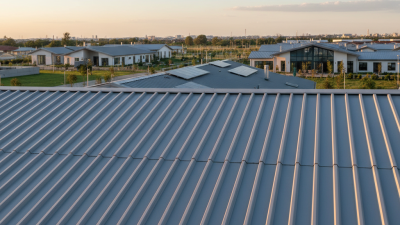
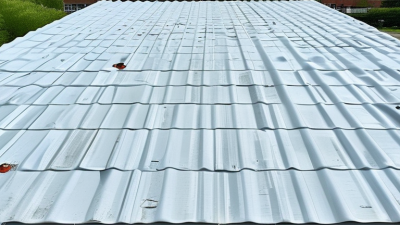
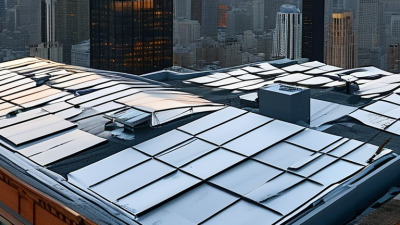
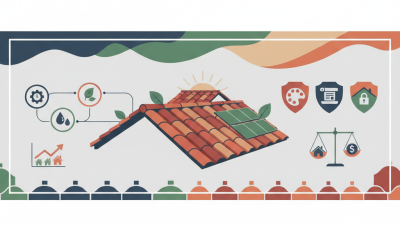
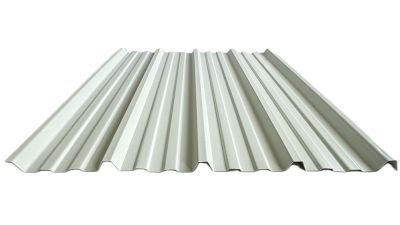
So, why pick Vinyl Corrugated PVC Sheets for your projects around the world? Well, it’s pretty simple really. Global construction sites are dealing with all sorts of challenges—crazy weather, shipping restrictions, varying skill levels among workers, and different building codes. These sheets hit a sweet spot because they’re lightweight, resistant to moisture, and easy to install. Plus, that corrugated design gives them added stiffness without making them heavy, which really matters when you’re transporting materials across oceans or installing them on elevated structures.
There's a well-known guy in the building world, Joseph Lstiburek, who’s famous for saying, “Water is the enemy.” That really hits home when we’re talking about exterior cladding. Properly installed PVC sheets can protect walls, storage spaces, farms, and temporary setups from rain, and they can speed up work on-site since they often don’t require a ton of fancy tools. Still, it’s important to remember—materials need to match your local wind, fire safety, thermal, and structural rules. PVC is a solid option, but it’s not a one-size-fits-all solution.
Now, let’s get into some details. When planning your project, make sure to check the sheet thickness, UV resistance, fastener spacing, overlap design, and how the material responds to temperature changes. Mess up the spacing, and you might end up with warping. If flashing isn’t done right, even the best panels can fail. And, don’t forget that styles like Board And Batten Siding Vinyl need good drainage planning behind the scenes—this is where experience really counts more than just shiny marketing claims.
It’s worth mentioning, though, that it’s not a perfect solution for every situation. Some regions might require different fire ratings or need specific recycling options. That’s why working with experienced suppliers like Northline Building Materials is key—they can provide the right technical info, guidance on installation, and consistent packaging. It’s these small but crucial details that really determine the success of your project. Vinyl Corrugated PVC Sheets can be a great choice, but only if you ensure your design takes into account the climate, local codes, and the folks installing it. When you get all that right, you’re good to go!
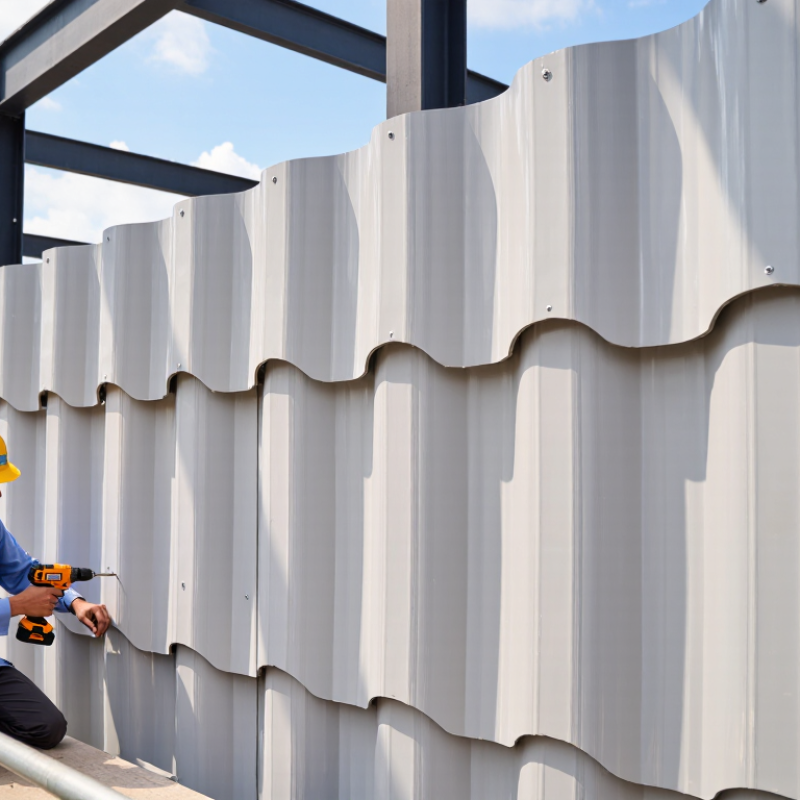
What Are Vinyl Corrugated PVC Sheets?
Vinyl corrugated PVC sheets are lightweight building panels made from polyvinyl chloride, commonly called PVC. Their repeated ridges create a corrugated profile, similar to small waves across the sheet. This shape improves stiffness without adding much material or weight.
The vinyl layer helps provide a smooth, weather-resistant surface. Depending on the formulation, sheets can resist moisture, corrosion, and moderate chemical exposure. They are often used for temporary partitions, roofing accents, wall cladding, agricultural covers, and protective enclosures. Their low weight can reduce handling effort during installation. A worker can often carry several panels without lifting equipment.
In practical project reviews, the most useful feature is predictable cutting. Standard tools can usually trim the panels, but rough blades may leave cracked edges. Pre-drilling also matters. Without clearance around fasteners, temperature changes can cause stress and distortion.
Not perfect.
Performance still depends on design. Corrugated PVC may become less rigid in high heat, and strong wind requires suitable spacing and secure fixings. Color can fade after prolonged ultraviolet exposure, especially in harsh climates. I would not specify one thickness for every region. Local wind, temperature, drainage, and support conditions need checking before installation.
The sheets are also easier to clean than many porous materials. Dirt gathers in the valleys, though. A soft brush and mild detergent usually work better than aggressive abrasion.
Small details like overlapping direction, edge sealing, and ventilation can influence service life more than expected.
How Are Vinyl Corrugated PVC Sheets Manufactured?
Vinyl corrugated PVC sheets begin with carefully blended PVC resin, stabilizers, pigments, impact modifiers, and processing aids. PVC contains about 57% chlorine by mass, according to the European Council of Vinyl Manufacturers. This chemistry supports durability while reducing dependence on petroleum-based raw materials. However, formulation balance matters. Too much filler can weaken the sheet.
Manufacturers usually feed the dry blend into a twin-screw extruder. Heat and shear melt the compound into a uniform profile. A shaped die then forms the sheet, while corrugating rollers create its ribs. Cooling rollers lock the geometry in place. Trimming follows. Each production line checks thickness, rib spacing, surface defects, and impact performance. ASTM D1784 provides a recognized framework for classifying rigid PVC compounds. Small errors matter.
For international projects, UV stabilizers and color consistency deserve close attention. Plastics Europe’s 2024 industry data identifies PVC as roughly 10% of European plastics production, confirming its broad industrial use. Yet production data alone cannot guarantee field performance. A sheet exposed to strong sunlight, dust, and temperature cycling needs application-specific testing. I would also question recycled-content claims unless suppliers provide traceable batch records and test results. That extra paperwork may seem slow. It protects the project.
Which Properties Support Their Use in Global Projects?
Corrugated PVC Roof Sheets suit global projects because they combine low weight with practical weather resistance. On remote sites, crews can carry panels without heavy lifting equipment. That simplifies transport through narrow roads and reduces handling damage. Their corrugated profile also improves stiffness, helping panels span modest distances with fewer supports.
Moisture resistance is valuable in coastal, tropical, and high-rainfall regions. PVC does not absorb water like many porous materials, so swelling and rot are less likely. The surface also tolerates many common salts and mild chemicals. Still, exposure conditions differ. Strong sunlight can affect color and long-term performance, so UV-stabilized grades and verified test data matter. Do not rely on appearance alone.
Global projects often face sudden temperature changes, dust, and irregular maintenance schedules. Vinyl sheets are easy to cut, clean, replace, and inspect. Their lighter weight can lower structural demands, especially for temporary buildings or agricultural shelters. I have seen installation quality determine performance more than product claims. Incorrect screw spacing, poor washers, or blocked drainage can cause leaks. Small details matter.
No sheet fits every location. High-wind zones require engineered fixing patterns and local load checks. Cold climates may need allowance for thermal movement, while hot regions demand careful ventilation beneath the roof. Project teams should review fire performance, UV exposure, chemical contact, and regional building requirements before ordering. A practical trial panel can reveal weaknesses that brochures often miss.
Why Choose Vinyl Corrugated PVC Sheets for Global Projects?
Typical engineering properties that support the use of corrugated PVC sheets in international construction, agricultural, and industrial applications.
Representative rigid-PVC values include low water absorption, low thermal conductivity, useful tensile strength, and a low material density. Actual performance depends on sheet thickness, profile design, additives, climate, and installation conditions; project specifications should be confirmed with the applicable technical data sheet and local standards.
What Industries Commonly Use Vinyl Corrugated PVC Sheets?
Construction teams commonly use vinyl corrugated PVC sheets for temporary partitions, site shelters, and lightweight wall cladding. Their low weight helps workers carry panels across uneven ground. On renovation sites, the sheets can protect floors and equipment from dust, rain, and minor impacts. Pvc Corrugated Roofing Sheets also suit small roof extensions, though designers must check wind loads, drainage, and local building requirements.
Agricultural operators use these sheets for storage sheds, poultry areas, garden tunnels, and equipment covers. The corrugated profile helps water run off quickly, while the plastic surface is easier to clean than untreated timber. However, ventilation still matters. Heat can build up under a poorly planned roof. That detail is easy to overlook.
Warehouses and logistics facilities use vinyl panels for covered loading areas and simple separation zones. Retailers and event contractors may choose them for temporary kiosks, back panels, and weather screens. Utilities and maintenance crews sometimes use lightweight panels around service areas where fast installation matters. Field experience shows that cutting quality affects long-term performance. Rough edges can invite cracking. Better tools help.
These sheets are not suitable for every structure. Heavy snow, extreme heat, or strong coastal winds may require a different material. I would also question any design that ignores fixing spacing. A secure panel needs more than a quick installation. Supplier data, local standards, and regular inspections should guide the final choice.
How Do They Compare with Alternative Roofing Materials?
Why Choose Vinyl Corrugated PVC Sheets for Global Projects?
When comparing roofing materials, Pvc Corrugated Roof Sheets offer a practical balance of weight, durability, and installation speed. Unlike heavy concrete tiles, they need less structural support and are easier to move across remote sites. Compared with galvanized metal, PVC sheets resist rust in humid or coastal conditions. They also reduce rain noise, which matters in schools, workshops, and small homes.
Polycarbonate panels usually transmit more daylight, making them useful for covered walkways or greenhouse sections. However, clear panels can increase indoor heat without careful ventilation. Asphalt shingles may suit residential designs, but they often require a solid deck and more layered installation. PVC sheets can be fixed directly to suitable purlins, using correctly spaced fasteners and sealing washers. Small details matter.
I have seen installation teams finish modest roof areas quickly with hand tools. That saves labor, but only when the supporting frame is accurately aligned. Thermal movement can cause trouble if sheets are fixed too tightly. It is also important to check local wind loads, fire requirements, recycling options, and temperature ranges before ordering. PVC is not a universal answer. In very high-heat environments, some metal systems may perform better. In cold regions, brittle sheets deserve closer inspection. The honest choice depends on climate, structure, maintenance access, and the project’s expected service life.
What Factors Influence Their International Application?
International projects rarely fail because of one material choice. They fail when climate, transport, installation, and local requirements are considered separately. Vinyl corrugated PVC sheets can provide low weight, weather resistance, and simple handling. However, these benefits depend on the project environment. High corrugated resin sheets may suit temporary walls, agricultural structures, roofing panels, and protective enclosures when their profile matches the expected load.
Climate changes everything. Strong sunlight can accelerate surface aging without suitable UV protection. Humidity may expose weak fasteners or poorly sealed overlaps. Cold regions can make some formulations less flexible during installation. Engineers should review temperature ranges, wind pressure, drainage, and expected service life before ordering.
A sheet that performs well in a dry warehouse may behave differently beside a coastal site. Field testing is often more useful than a catalogue claim.
International application also depends on compliance and supply reliability. Project teams should confirm fire performance, chemical resistance, thickness tolerance, recycling information, and applicable construction standards. These requirements differ between countries and sometimes between regions. Packaging deserves attention too; crushed edges can appear after long-distance transport. Clear inspection records, batch identification, and installation guidance improve accountability. Still, no calculation is perfect. Unusual weather, unfamiliar tools, or rushed labor can change the result. A small trial installation may reveal problems before thousands of sheets reach the site.
Durable Trapezoidal High-Corrugated Resin Roof Sheets: A Guide for Factories and Industrial Buildings
Durable trapezoidal high-corrugated resin roof sheets provide a dependable roofing solution for factories, warehouses, agricultural facilities, and other industrial buildings. Their reinforced trapezoidal profile improves load-bearing capacity while supporting efficient rainwater drainage and structural stability. Made from weather-resistant resin, these sheets can withstand sunlight, heavy rain, temperature changes, and demanding outdoor conditions. Their long service life and resistance to rust make them a practical alternative to conventional metal roofing, particularly in environments where moisture and corrosion are major concerns.
Lightweight PVC corrugated panels can also be used for interior liners, partitions, and selected agricultural or industrial applications. They are impact-resistant, non-flammable, and easy to handle during transportation and installation. Standard woodworking tools can be used to cut the panels, reducing labor requirements and avoiding specialized equipment. The smooth, glossy white surface improves light reflection, simplifies cleaning, and creates a bright, professional appearance inside factories and commercial buildings. Together, trapezoidal resin roof sheets and PVC liner panels offer a cost-effective building system with reliable performance, straightforward installation, and reduced maintenance demands.
FAQS
The compound usually contains PVC resin, stabilizers, pigments, impact modifiers, and processing aids. PVC contains about 57% chlorine by mass. Too much filler can weaken the final sheet.
A twin-screw extruder melts and mixes the dry compound using heat and shear. A shaped die forms the sheet. Corrugating rollers create the ribs, while cooling rollers preserve their shape.
Production lines commonly check thickness, rib spacing, surface defects, and impact performance. Small dimensional errors can affect installation. They should not be ignored.
UV stabilizers and consistent coloring can improve outdoor performance. However, sunlight, dust, and temperature cycling require application-specific testing. Production data alone proves little.
PVC sheets resist rust in humid and coastal conditions. They also reduce rain noise and weigh less than many metal systems. In very hot environments, metal may perform better.
Their light weight makes transport and handling easier on remote sites. They can often be fixed directly to suitable purlins. Accurate frame alignment remains essential.
Do not tighten fasteners excessively. Thermal movement needs room. Use correctly spaced fasteners and sealing washers. Poor spacing can cause leaks or distortion.
No. The choice depends on wind loads, fire requirements, temperature range, and maintenance access. Cold conditions may make some sheets brittle. High heat may expose weaknesses.
Request traceable batch records and relevant test results from the supplier. A sustainability statement without evidence deserves caution. I would check twice.
Compare climate, supporting structure, service life, ventilation, recycling options, and repair access. Clear panels may provide more daylight but increase indoor heat. The cheapest option may not remain cheapest.
Conclusion
Vinyl Corrugated Pvc Sheets are lightweight, shaped roofing and cladding panels made from durable polyvinyl chloride. Their corrugated structure improves stiffness while keeping material use and handling effort relatively low. During manufacturing, PVC compounds are formed through controlled heating, extrusion, and profile shaping, followed by cooling, cutting, and quality inspection. This process allows manufacturers to produce consistent sheets in different thicknesses, colors, and surface finishes.
For global projects, these sheets are valued for moisture resistance, corrosion resistance, easy installation, low maintenance, and reliable performance in many outdoor environments. They are commonly used in agricultural buildings, warehouses, temporary structures, workshops, transport facilities, and commercial or residential roofing applications. Compared with metal or heavier traditional materials, they can offer simpler transportation, reduced installation loads, and improved resistance to rust, although project designers must consider wind conditions, temperature changes, fire requirements, local standards, recycling options, and shipping costs. Their international suitability depends on climate, building design, regulations, and the availability of compatible accessories and installation expertise.