Picking out the best Roof Cladding Panels isn’t just about shopping for the best price or color options. There’s more to it—like making sure the system handles rain, wind, heat, condensation, fire safety, and even how easy it is to maintain over time. Sometimes, a panel that looks stunning on a sample board might not perform as well once it's installed on a cold workshop or a seaside home.
Joseph Lstiburek, who founded Building Science Corporation, has a good rule of thumb: “The perfect wall isn’t just a product; it’s an assembly.” The same goes for roofs. A solid roof isn’t just about one thing—it’s about how panels, insulation, membranes, flashings, fasteners, ventilation, and careful installation all work together. Skimp on one aspect, and you could end up facing small issues that turn into costly repairs down the line.
In this guide, we’ll look at some of the most common types of Roof Cladding Panels—like insulated sandwich panels, standing-seam metal, corrugated steel, aluminum, and fiber-cement options. We’ll consider things like thermal efficiency, noise reduction, how well they resist rust, how they look, how long they last, and how tricky they are to install. Big brands like Kingspan, Tata Steel, and Ruukki have solid reputations, but honestly, the quality of the product alone doesn’t guarantee everything.
Also, where you’re putting up the building really matters. A rural site might focus more on affordability and easy replacements. On the other hand, if you’re near the coast, you’ll need panels with better corrosion protection. The roof’s pitch also plays a role—a steep one sheds water more easily, while a flatter roof needs tighter sealing. Even seasoned installers can sometimes overlook a badly sealed penetration—so there’s always a little bit of luck involved.
There’s no one-size-fits-all answer here. Honestly, that’s kind of the truth that’s worth accepting. The best panel for one project might not be right for another—it all depends on your building, the climate, your budget, and who’s doing the install. This guide will walk you through where each option shines, where it might fall short, and what you should double-check before you place your order.
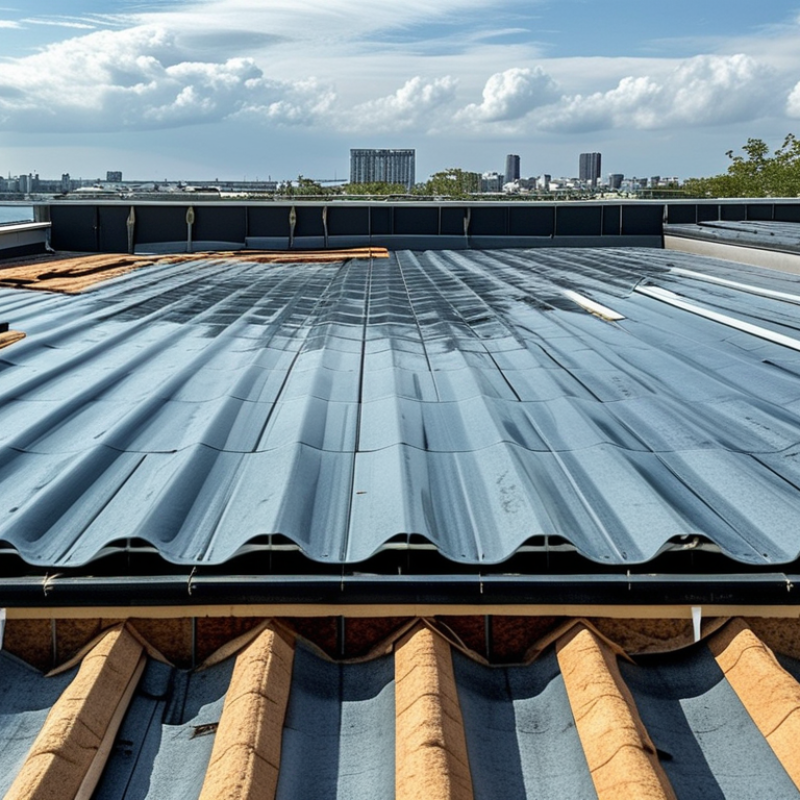
What Are Roof Cladding Panels and How Do They Work?
Roof cladding panels are the outer skin of a roof.
They sit over rafters, decking, or a supporting frame and shield the building from rain, wind, sunlight, and debris. Unlike structural roofing, cladding usually does not carry the whole building load. Its job is controlled protection. Panels overlap or lock together, creating paths that move water toward gutters. The roof pitch matters. Too little slope can leave water around joints, even when the panels look tightly fitted.
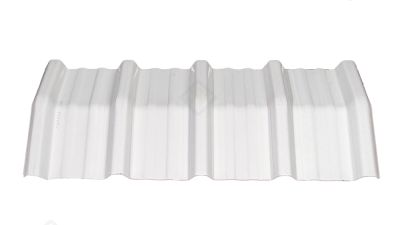
Common options include steel, aluminum, fiber cement, and Plastic Roof Cladding. Plastic panels are light and resist corrosion, which can help on sheds, agricultural buildings, and wet coastal sites. However, heat movement, fire ratings, impact strength, and ultraviolet exposure need careful checking. A panel that performs well in shade may become brittle after years of harsh sunlight. That detail is easy to miss.
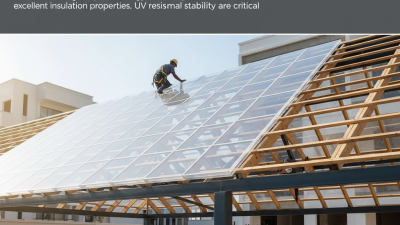
Good installation uses compatible fasteners, sealed laps where specified, and enough ventilation beneath the covering. Over-tightening screws can distort panels and create leaks around washers. Before choosing a system, inspect the supporting structure, local weather, roof pitch, and maintenance access. A professional assessment should confirm load limits and drainage design. I would not treat appearance as proof of performance. A smooth surface may still hide poor overlap or trapped condensation. Small errors become expensive. Even experienced installers sometimes underestimate expansion around penetrations, so the details deserve a second review.
How Do the Best Roof Cladding Panels Compare?
What Are the Best Roof Cladding Panels?
How Do the Best Roof Cladding Panels Compare?
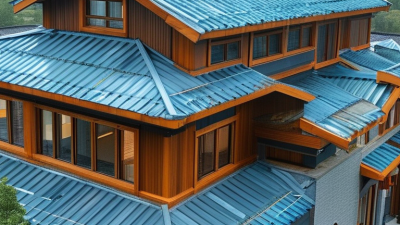
The best roof cladding panel depends on climate, roof pitch, structure, and maintenance plans. Metal panels are lightweight and quick to install. Steel offers strong impact resistance, while aluminum performs well near coastal air. However, both require correct coatings and fasteners to reduce corrosion risks. Fiber cement panels provide a solid, textured appearance and good fire performance. They are heavier, so the roof structure needs careful checking.
During site inspections, I compare thermal movement, drainage details, joint design, and fixing methods. Poorly sealed overlaps can cause leaks, even with expensive panels. Insulated sandwich panels often improve energy efficiency, but their joints need precise installation. I once focused too much on panel strength and overlooked ventilation beneath the roof. That decision created condensation problems later. Roof performance is not only about the visible surface.
Tips: Request tested data for fire resistance, wind load, water tightness, and thermal performance. Check local exposure conditions before choosing a finish. Do not compare price alone. Also, avoid confusing roof products with a PVC Interior Wall Cladding System, because interior wall panels face different moisture, impact, and loading requirements. A sample installed outdoors can reveal glare, noise, color changes, and cleaning difficulties better than a brochure. Test the details, not just the panel.
How Can Roof Cladding Panels Be Maintained and Replaced?
Roof cladding panels can last for many years when maintenance becomes a routine task, not an emergency response.
Inspect them twice a year, especially after heavy rain, strong winds, or hail. Look for lifted edges, rust around fixings, cracked sealant, loose panels, and water stains beneath the roof. Check gutters too. Blocked drainage can force water under otherwise sound cladding.
Use a soft brush and clean water to remove dirt and leaves. Avoid harsh chemicals that may damage protective coatings. Replace worn washers and reseal small joints with a compatible roofing sealant. Do not walk directly on fragile panels. Use suitable access equipment and follow local safety requirements.
Replacement needs more planning than removing one damaged sheet.
Match the panel profile, thickness, coating, and fixing pattern before ordering materials. A slight mismatch can create leaks or visible ridges. Remove nearby panels only when necessary, then inspect the underlying supports for dampness or rot. Replace damaged insulation before installing new cladding. Secure fasteners evenly, without crushing the panel surface. Ventilation gaps must remain open.
Even careful maintenance can miss a hidden leak.
That is frustrating. If staining returns after repairs, arrange an inspection by a qualified roofing professional. Keep dated photos and repair records; they make recurring problems easier to diagnose.
China Trapezoidal Roof Ridge Caps: Reliable Waterproof Roofing Solutions from Trusted Suppliers and Factories
China Trapezoidal Roof Ridge Caps provide a dependable way to protect the most vulnerable area of a sloped roofing system. Designed for high-wave trapezoidal profiles, including IBR and box rib synthetic resin panels, these ridge caps cover the joint where two roof sections meet. Their shaped profile helps prevent rainwater, wind-driven moisture, dust, and debris from entering beneath the roofing sheets while preserving a clean, professional roofline.
Manufactured by experienced suppliers and factories in China, the Trapezoidal Roof Ridge Cap is made to support long-term performance in residential, agricultural, commercial, and industrial buildings. Its durable construction helps maintain a secure connection between adjacent roof slopes and reduces the risk of leakage caused by exposed ridge gaps. The high-wave design also allows effective compatibility with matching trapezoidal roofing panels, simplifying installation and improving overall system stability.
For construction projects that require reliable waterproof protection, this roofing accessory offers a practical combination of strength, functional design, and production consistency. It can be selected alongside synthetic resin roofing panels to create a more complete and durable roofing solution, helping contractors and property owners improve ridge protection without compromising the appearance of the building.
Conclusion
Roof Cladding Panels are protective and decorative layers installed over a roof structure to shield buildings from rain, wind, sunlight, and temperature changes. They can also improve insulation, weather resistance, appearance, and structural performance. Common materials include steel, aluminum, fiber cement, composites, and other durable options, each offering different benefits in terms of strength, weight, cost, energy efficiency, and service life. The best choice depends on the building’s design, local climate, roof slope, budget, fire and moisture requirements, and expected maintenance needs.
Proper installation involves accurate measurements, suitable underlayment, secure fasteners, carefully sealed joints, and adequate ventilation. Professional installation helps prevent leaks, movement, corrosion, and premature damage. Regular maintenance should include checking for loose panels, blocked drainage paths, damaged coatings, rust, and sealant failure. Cleaning and timely repairs can extend the roof’s lifespan, while replacement may be necessary when panels suffer widespread corrosion, structural damage, or repeated water intrusion. A thoughtful selection and maintenance plan ensures reliable long-term roof performance.