What Is the Best Replacement for Asbestos Roofing Sheets?
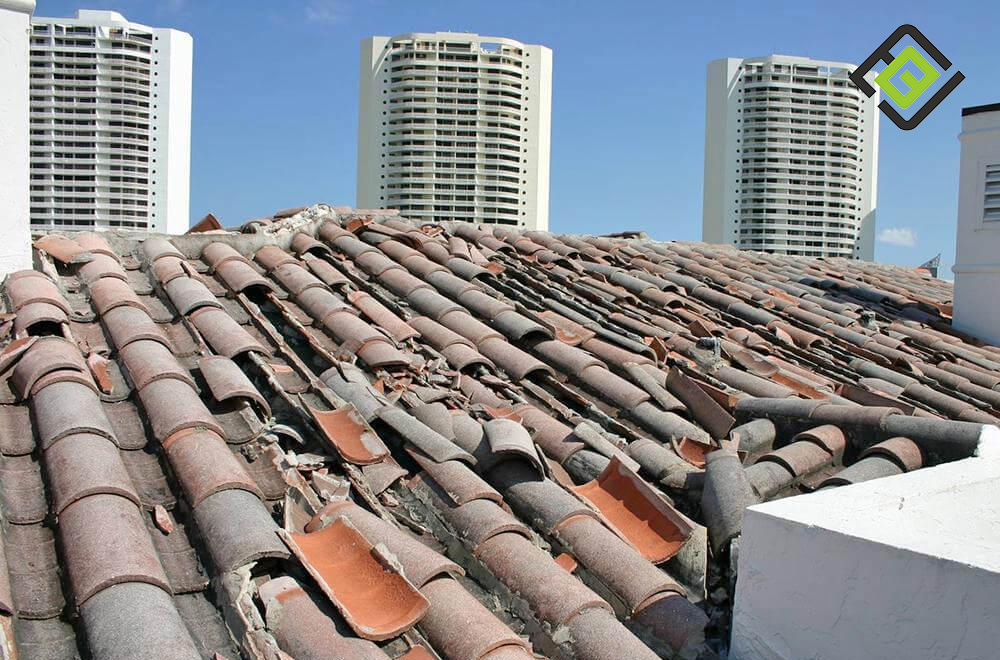
Walk through almost any older industrial district and you'll still spot it — that dull, slightly wavy grey roof sheet with the tell-tale hairline surface texture. Asbestos-cement roofing was cheap, fireproof, and lasted for decades, which is exactly why so much of it is still up there. The problem was never how the material performed. It was what happened when it started to break down.
Regulators have been working toward this moment for a long time. Chrysotile asbestos, the form most commonly used in roofing sheets, has been restricted or banned outright in dozens of countries, and enforcement has tightened noticeably over the past couple of years as health agencies close remaining loopholes for industrial and legacy uses. Renovation permits, demolition approvals and insurance underwriting now routinely flag asbestos roofing as a liability rather than a formality — which means the decision to replace it is often made by a compliance officer or an insurer, not by a facilities manager who simply wanted a nicer roof.
That's a different kind of buying decision than most roofing upgrades. Nobody is shopping for asbestos-free options because the old roof leaks. They're shopping because the old roof is a liability they can no longer legally or financially carry — and that changes what "best replacement" actually means.
| Factor | Asbestos-Cement | Fiber Cement | Metal Sheet | JBE ASA/UPVC Resin Tile |
|---|---|---|---|---|
| Fiber inhalation risk | High during cutting/damage | None (cellulose-based) | None | None |
| Relative weight | Heavy | Heavy | Light | Light |
| Corrosion in coastal/industrial air | Cement erosion over time | Moderate resistance | Prone to rust/corrosion | Chemically inert |
| Noise under rain/hail | Low | Low | High | Low (dampened by resin structure) |
| Color/profile flexibility | Minimal | Limited | Moderate | Wide (custom color, thickness, profile) |
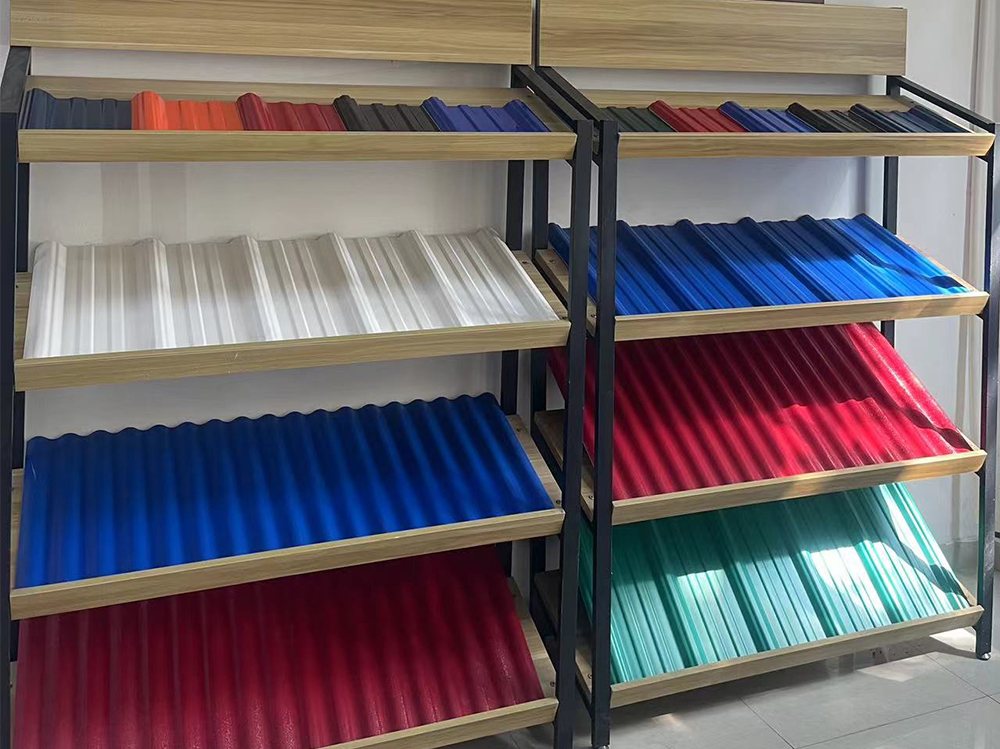
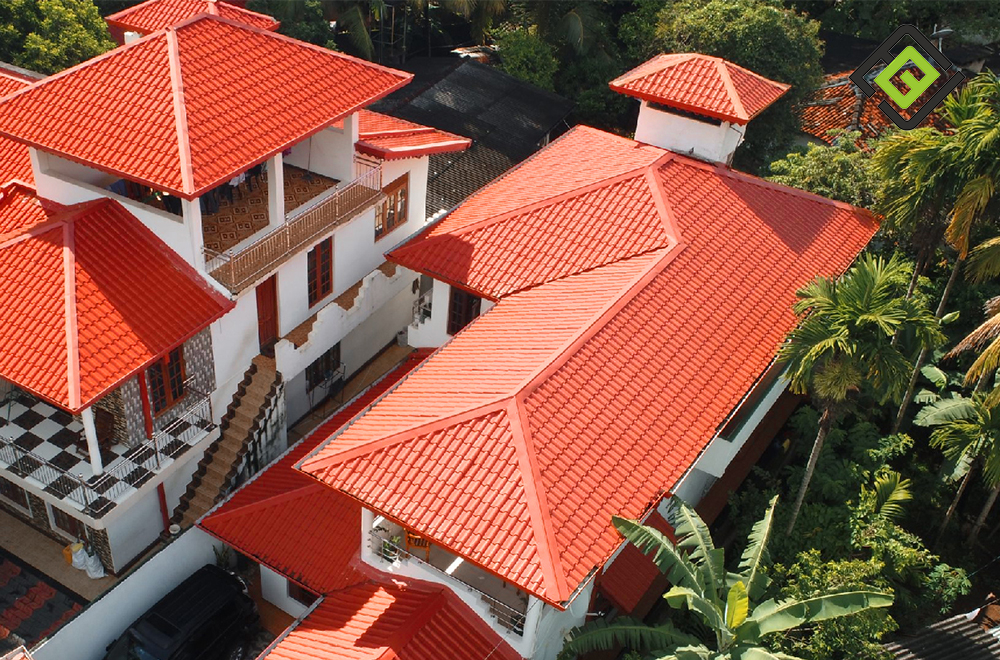
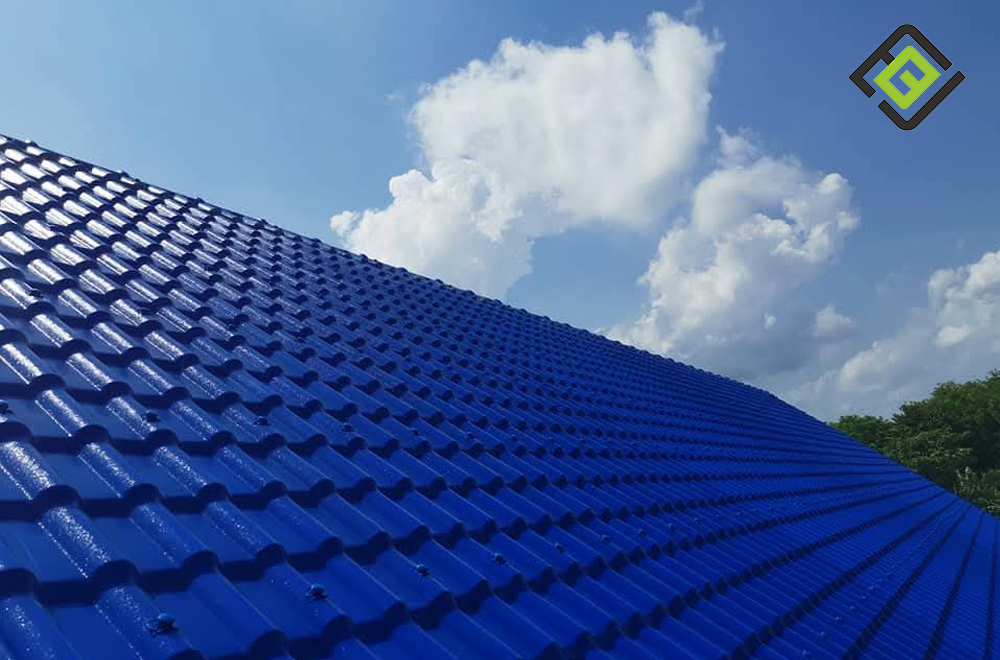
At JBE, we've had a fair number of these conversations start the same way: a facilities team or a contractor with a compliance deadline and a roof they can't touch until it's resolved. What usually matters most to them isn't the tile's aesthetics — it's whether the panel can go up quickly, sit safely on an aging structure, and never become another line item on next year's maintenance budget. Our Spanish-style and corrugated resin tile ranges were built around that exact scenario: engineered light enough to retrofit over older framing, with the ASA surface layer handling UV and weather exposure so the substrate underneath doesn't chalk or degrade the way older materials did.
If your project is at the stage of comparing removal quotes against reroofing quotes, it's worth getting the two numbers in front of you at the same time — the material choice at that point tends to decide the total project cost more than either quote does on its own.